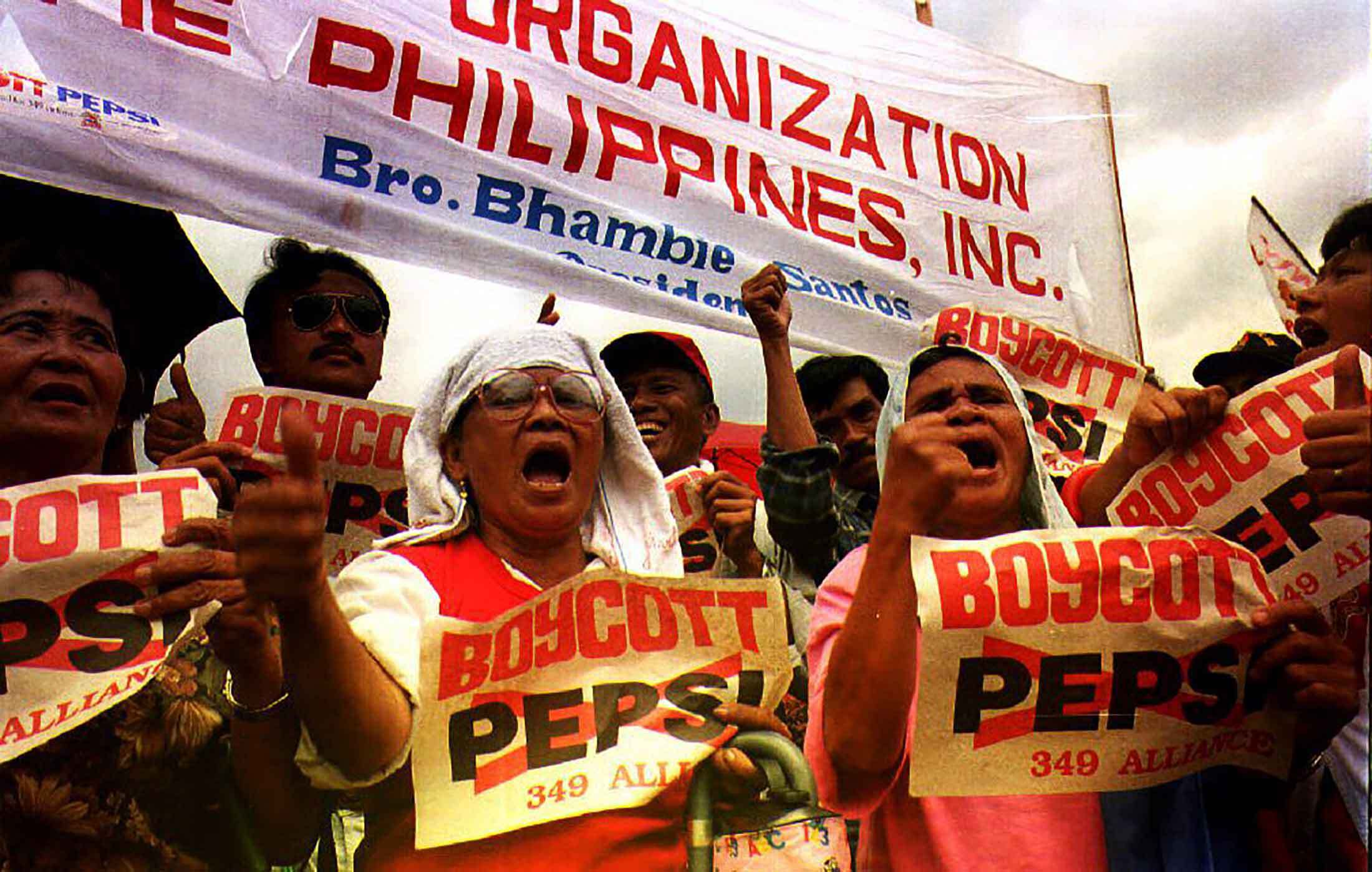
In a couple of my previous blog posts, I’ve delved into significant marketing blunders made by various companies. I’ve examined how PepsiCo incited riots in the Philippines and how Dove’s beauty bar campaigns fell short. However, I’m eager to explore additional instances where major brands have stumbled over the years.
No company is immune to the pitfalls of a poorly executed marketing campaign, particularly when venturing into unfamiliar markets. There are numerous ways to falter, even with local consultation. Diverse regions within a single country can yield varied translations of messaging. Insufficient market research sometimes leads companies to overlook that their sample size may not accurately represent the entire demographic landscape.
Nonetheless, here are some massive flops from big brands over the years:
- Coca-Cola: Tadpoles
I did a blog post and presentation on how well Coca-Cola typically is with cross-cultural marketing. The company has been abroad since 1899 in Cuba so, Coca-Cola theoretically should have perfected international marketing campaigns (Alonso, 2023). However, even big brands like Coca-Cola fail sometimes.
In the 1920s, when Coca-Cola tried to expand its market in China, the original word for Coca-Cola was translated into “bite the wax tadpole” in Mandarin, which was very unappealing to Chinese consumers (Morrison, 2004, line 6). As a result, the company had to change the name Coca-Cola to something more attractive to the consumers, and the new name became “can mouth, can happy” (Morrison, 2004, line 7).

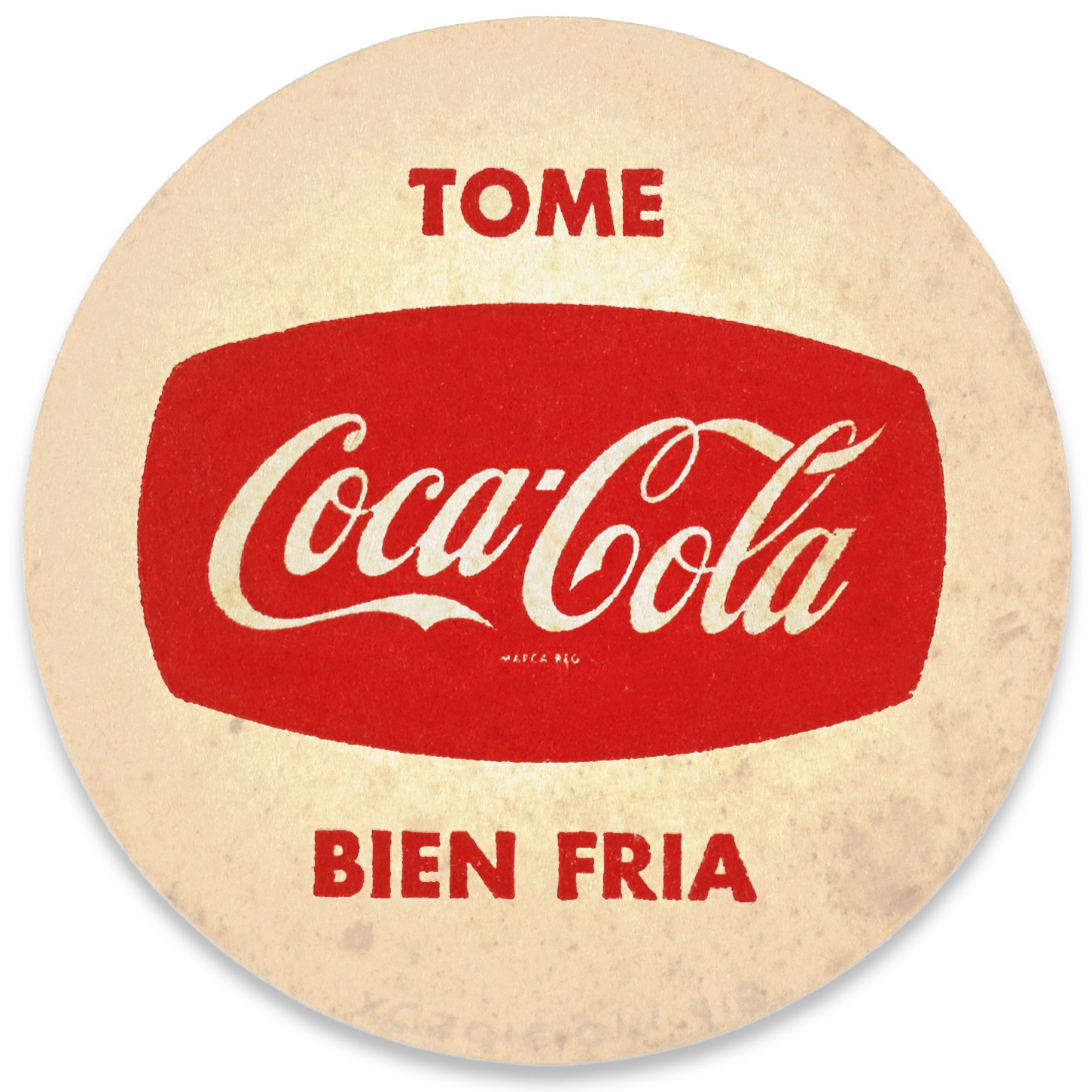
While not totally their fault, Coca-Cola also fell victim to bad marketing when a strong gust of wind ruined their skywriting ad (Morrison, 2004). Coca-Cola was running an ad in Cuba that involved a skywriting passage that said “Tome Coca-Cola,” which means drink Coca-Cola (The Presence Group). However, a strong gust of wind morphed the ‘o’ into an ‘e,’ causing the message to read “Teme Coca-Cola,” meaning “Fear Coca-Cola” (The Presence Group).
- Pepsi in Taiwan
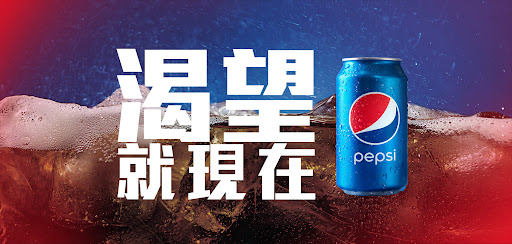
Pepsi has many skeletons in its marketing campaign closet. Unfortunately, when translating their slogan, “Come Alive with the Pepsis Generation,” they mistranslated the Chinese and wound up saying, “Pepsi brings your ancestors back from the dead” (Morrison, 2004, line 8). It is easy to understand why the public did not take this sentiment lightly, leading to quite a scandal for Pepsi (Morrison, 2004).
- Coors Beer and Bad Spanish Translations
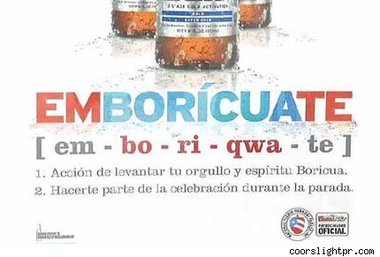
Coors Beer wanted to improve its advertising in Puerto Rico, so they invented a new word to inspire solidarity with Puerto Ricans (Martinez, 2016). The idea was to create an ad that helped the brand to “Become Puerto Rican.” Despite the misjudgement in the creation of the ad, the company moved forward and created the word Emborícuate, which is very similar to the Spanish word emborráchate, meaning to get drunk (Cruz, 2011). Many Puerto Ricans felt that the company was saying that all Puerto Ricans did was drink (Martinez, 2016). The message, of course, was received poorly, and Coors pulled the ad shortly after (Cruz, 2011).
Many of these big brands have the backing to do market research, focus groups, and garner understanding from local populations. Yet, mistranslations and misunderstandings are rampant when some brands try to market to different cultures.
The cross-cultural marketing failures of iconic brands like Coca-Cola, Pepsi, and Coors Beer underscore the critical importance of cultural sensitivity in global campaigns. They also highlight the inherent challenges and risks of resonating with diverse audiences worldwide.
Works Cited:
Alonso, T. (2023, February 8). How Coca-Cola Became One of the Most Successful Brands in History. Cascade. https://www.cascade.app/studies/how-coca-cola-became-successful
Cruz, W. (2011, June 2). Coors Light “Emorícuate” Ads Brews Outrage Among Puerto Ricans. Fox News. https://www.foxnews.com/world/coors-light-emboricuate-ads-brews-outrage-among-puerto-ricans
Martinez, L. (2016, March 10). The Horrors of Cross-Cultural Advertising Translations. The Nativa. https://thenativa.com/blog/cross-cultural-advertising-translations/#:~:text=A%20prime%20example%20of%20a,actually%20means%20to%20be%20pregnant.
Morrison, T. (2004, December 21). “Bit The Wax Tadpole”. IndustryWeek. https://www.industryweek.com/the-economy/trade/article/21949510/bite-the-wax-tadpole
The Presence Group (n.d.) Cultural Blunders In Advertising. The Presence Group. https://www.presencegroup.eu/en-blog/cultural-blunders-advertising#:~:text=Coca%20Cola%20is%20famous%20for,female%20horse%20stuffed%20with%20wax%E2%80%9D.