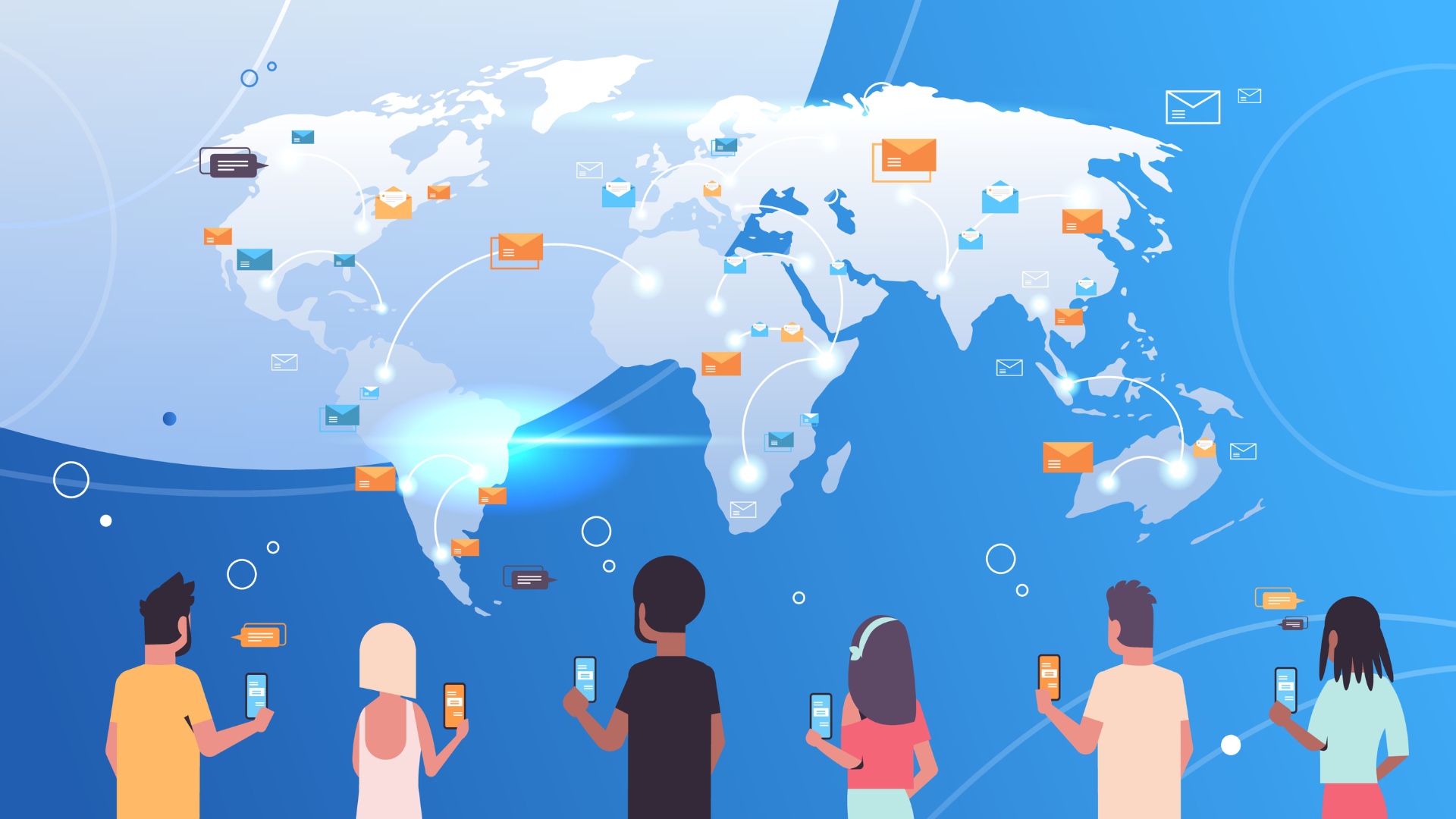
As a society so rooted in technology, it makes sense that social media is becoming one of the most efficient ways of reaching the global audience. In fact, there are 4.76 billion social media users across the world, accounting for about 59.4% of the entire global population (Kepios, 2023). Companies that operate outside of their original region will almost always have some form of social presence, as it extends their reach, creates a reputation, and overall helps form the public opinion.
However, with so many different cultures making up our world, a “one size fits all” approach is typically not successful. Whether it be through language barriers, contrasting beliefs, or overall differences of customs, marketing teams must be aware of the environment they aim to enter. By referring to the following guidelines, companies can ensure they are pushing the right type of content in the right format.
- Create an appealing message
- A global message has factors that appeal to a diverse audience, such as Nike’s message of “expanding human potential,” (Nike, 2023).
- Product names, branding colors, and taglines may be perceived differently in different countries
- Make sure to note important holidays in countries you may be launching social media campaigns in, posting unrelated content on these days may be received negatively
- Check your translation
- Certain words or phrases may translate into completely different meanings in different languages
- Ideally use a native speaker as a translator as opposed to Google Translate as it quite often is inaccurate
- Famous examples of marketing fails with translations:
- American beer maker Coors launched their “Let It Loose” campaign in Spain, however the direct translation in Spanish is most commonly understood to be “Suffer From Diarrhea”
- Fried-chicken franchise KFC’s famous tagline “Finger-Lickin’ Good” translated into “Eat Your Fingers” in Beijing during its initial 1980’s launch into China
- Consider region-dedicated profiles
- Limits the need for content to be appealing to all audiences as it can be specialized based on each country’s profile
- Allows for extreme social media localization
- Dependent on the social media budget of the company, may be too costly to have separate social media teams
- Ex.
- On Instagram, Vogue has @voguefrance, @britishvogue, @voguespain, @vogueitalia, @vogueaustralia, @voguekorea, @voguemexico, @voguejapan, @voguearabia, @voguephilippines, @voguescandinavia, @voguehongkong, and @vogue_ukraine.
- Assess your performance
- Not only can social media analytics show you engagement data such as profile visits, likes, shares, it can also tell you where your audience is based
- Seeing where your followers are based allows companies to measure the successes past campaigns have had geographically
- Top-performing markets = continue your strategy
- Regions with zero to limited followers = ramp up the marketing effort here or rethink your strategy
Key Takeaways:
The most successful global social media campaigns operate on the basis of understanding the similarities AND differences of consumers across the world. Do not assume what is considered normal in the home market will translate across the world, as many cultures interpret things with different meanings. By conducting thorough market research and engaging with a local team, brands can ensure they a
Resources:
https://datareportal.com/social-media-users
https://matinee.co.uk/blog/social-media-reach-global-audience/
https://www.businessnewsdaily.com/5241-international-marketing-fails.html
https://about.nike.com/en