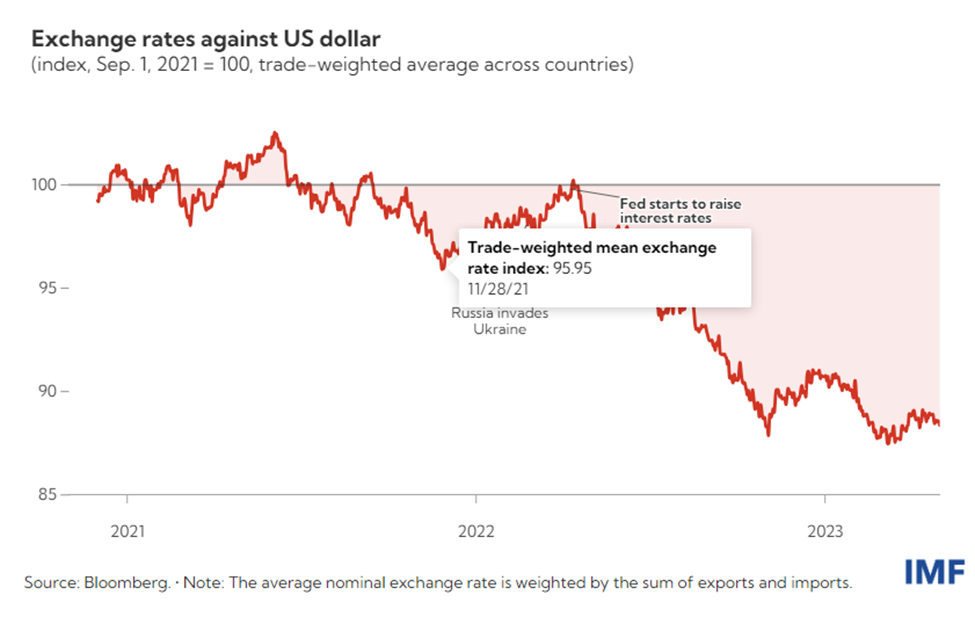
With the high US interest rate lasting longer than expected, developing nations are seeing greater separation in value between the US dollar and their local currencies. Sub Saharan African countries in particular are hit extra hard due to their reliance on imports. The average African currency has declined close to 25% in comparison with the US dollar. This has driven up the price for imports which makes business for any non-essential good difficult. Essentials, like food, have seen an average increase of 60%. The sellers’ profits are the same, but the
This level of uncertainty has no end in site as the global market is currently more risk adverse than ever. This makes unstable regions difficult to justify entry to. The price a good would need to be sold at would be unsustainable with cost of goods sold superseding market price. With nations like Zimbabwe and Sudan having inflations rates over 100%, these nations will need to find different solutions that can refresh their stability on the world economic stage. Foreign companies will also have to adjust with these changes in order to maintain a foothold in the market. If not, it may be in their best interests to move on.
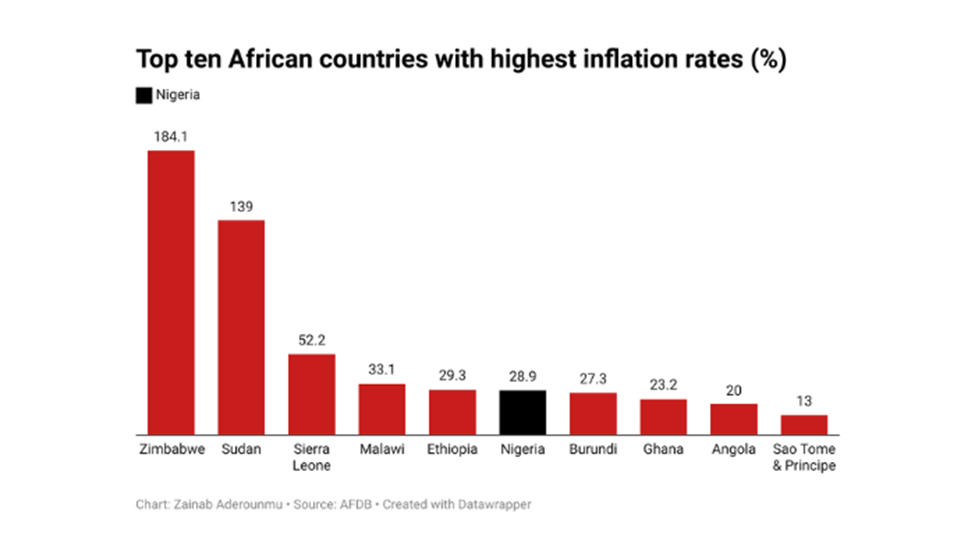
Ghana, who currently has inflation rates of 23% has decided to take matters into their own hands and focus locally. The government wants the nation to become less reliant on imports for necessities such as food and consumer goods. They will implement a trade restrictive policy that will protect essentials that they believe local businesses will be able to successfully run and support the country’s demand. While on the surface, you may assume that foreign enterprises would view this as a bad thing for their business, but in reality if successful, this will expand the market size and create a market where the local currency can consistently purchase their goods. It is difficult to sell your good to someone when inflation causes the price of that good to be a massive proportion of their salary.
A Potential Market Shakeup
“Your margin is my opportunity” -Jeff Bezos
Amazon is preparing its infiltration of the African markets with an initial launch in South Africa. Traditionally Amazon’s plan of attack focused on price leadership and blockbuster deals. When it came to the African market however, service and inventory would be a priority. Amazon, who works as a marketplace for sellers, would find its greatest success here with a focus on who has the best options to buy rather than a price war. The local market does not support the same level of competition as the more expansive developed western markets. They will focus on stabilizing the market and establishing the logistics of their deliver model. Currently the average delivery in Africa from online retain is close to one month time. Amazon shoots to establish their usual one day delivery goal, even if now this is a longshot. Once the model is established and shows success, you will see Amazon reestablish its position as a price leader and help the African market have more reliability with pricing.
https://www.bbc.com/news/business-67311012
https://unctad.org/news/why-transit-goods-so-expensive-central-africa