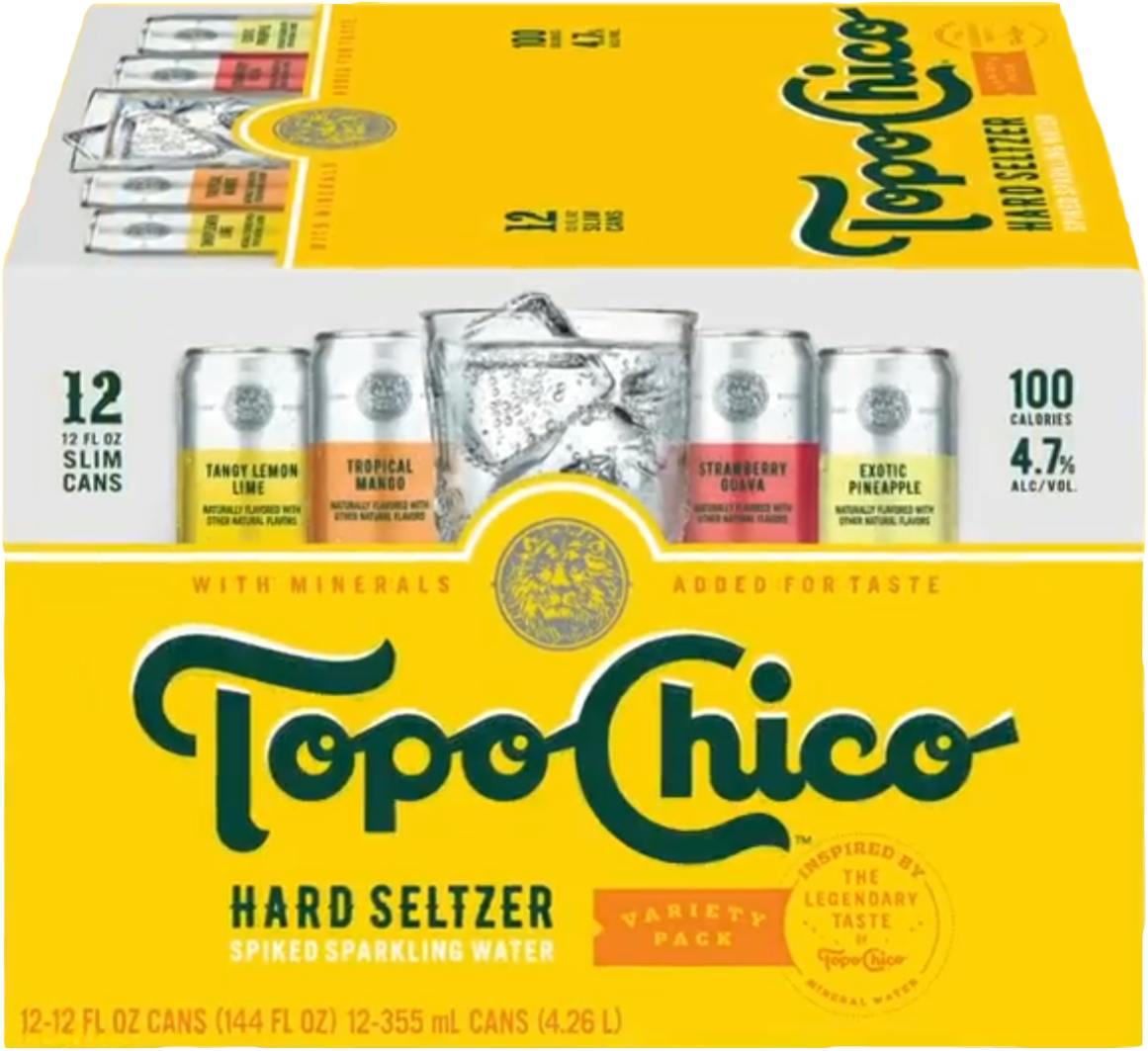
Hard seltzers have gained international attention within the past couple of years due to the increase in consumer preference for low-calorie and gluten free beverages. Along with the demand for a beverage that is convenient for consumers in ready to drink packaging. The global hard seltzer market reached US$7.1 billion in 2023. The market is projected to reach US$20 billion by 2032, exhibiting a growth rate (CAGR) of 12.11% during 2023-2032 (Research and Markets, 2024). Due to this expansive growth rate projection brands are determined to capture market share by making sure no stone is left unturned.
Not only has the growth of hard seltzers been from the current health and wellness trend, but from the influence of social media and celebrity endorsements. Since the COVID-19 pandemic many celebrities have created hard seltzer brands like Travis Scott, Gordon Ramsay, and Barstool Sports. By using their social media accounts to market their products, celebrities have been able to capture certain audiences that would have never tried a hard seltzer just due to their following. Since gaining its popularity, hard seltzer brands have been able to promote their brands in a variety of global marketing channels. Some of those channels include social media like Facebook, X, TikTok, and Instagram along with retail promotions like placement in a grocery store or having unique packaging. Another global marketing channel these brands are using is sponsorships at large sporting events like NHL, MLS, and NFL games. For these brands to have sponsorships and endorsements with huge events it allows for ultimate brand exposure.
Research has shown that the dominance of supermarkets and hypermarkets in the global hard seltzer market can be attributed to several key drivers, including the extensive reach and widespread presence of these retail formats (Research and Markets, 2024). For hard seltzer brands this information is crucial when developing their international marketing strategies. More research has also found the most popular flavor amongst consumers is cherry and these consumers prefer an ABV of 5-6.9% due to this percentage aligning with the health and wellness trend.
While the competitive landscape of the global hard seltzer market is intense, this does not seem to be deterring new entrants into the market who are vying for market share. To keep up with competition and ever changing consumer preferences, brands are constantly innovating and establishing brand reputation. Whether you are a small brand or well established, the hard seltzer category is expanding and everyone is ready to capture any type of market share they can.
References
Research and Markets. (2024, March 21). Hard Seltzers: Global Market Analysis by ABV Content, Packaging Material, Distribution Channel, Flavor, and Region 2024-2032 – 5% to 6.9% ABV Dominates, Cherry Flavor Holds the Largest Share. Yahoo Finance. Retrieved March 27, 2024, from https://finance.yahoo.com/news/hard-seltzers-global-market-analysis-094100014.html