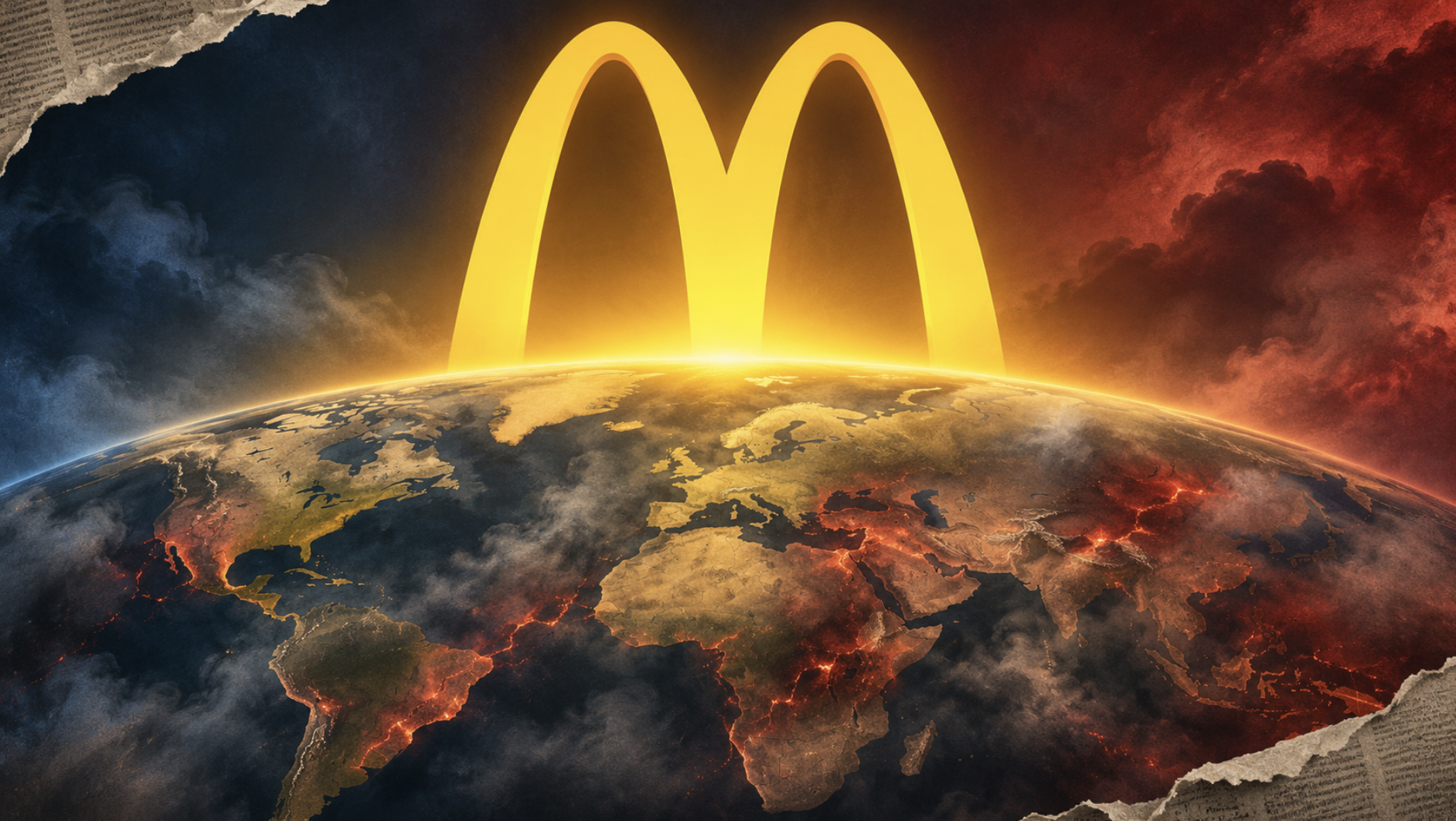
A Big Mac is supposed to fill your tummy, not declare your position on foreign policy. But McDonald’s is a smashing global brand and a symbol of America, no matter who owns the restaurant or where you’re eating. So when people abroad want to protest what the United States or its allies are doing, the Golden Arches can become a target. Can McDonald’s separate its brand from what some of its customers see as American imperialism? Or does that come with the fries?
Same Arches, Different Owners
McDonald’s doesn’t run most of the restaurants with its name on them. At the end of 2025, about 95% of its restaurants worldwide were franchised. Local operators hire workers and make many of the day-to-day decisions, while menus can change to suit local tastes. That’s local adaptation: give customers something that feels familiar without making the brand unrecognizable.
But one thing stays the same: those beautiful Golden Arches. To me, they promise a Happy Meal and fries that taste good. Yes, that last part is subjective. The point is that customers recognize the brand long before they know who owns the restaurant.
When Free Meals Became a Political Statement
After the October 7, 2023, attacks, McDonald’s Israeli franchise announced that it was providing free meals to Israeli soldiers. To some Israelis, feeding troops after an attack could look like a thoughtful gesture. To people watching the devastation in Gaza, those same meals could look like an American company taking sides. The decision came from the Israeli franchise operator, Alonyal, not from McDonald’s headquarters or the U.S. government. But the logo on the bag didn’t explain any of that.
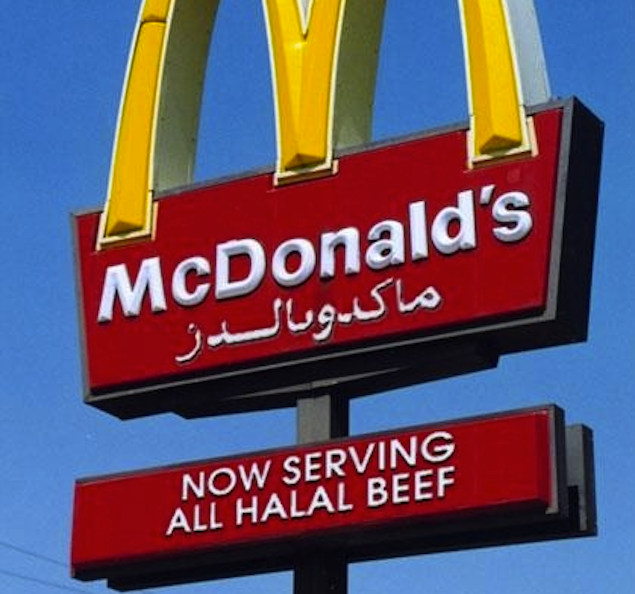
Boycott campaigns spread across parts of the Middle East and into countries such as Malaysia and Indonesia. Some franchisees publicly distanced themselves from the Israeli operator, and some pledged humanitarian aid for Palestinians in Gaza. But try explaining that you’re a completely different business when the restaurant people are boycotting has the exact same name and those same luscious Golden Arches.
The People Spoke With Their Wallets
In the first quarter of 2024, comparable sales fell 0.2% in McDonald’s International Developmental Licensed Markets segment, even as comparable sales rose globally. McDonald’s said the war in the Middle East continued to affect that segment. That figure isn’t a tally of what the boycott alone cost, but it shows that the trouble overseas wasn’t just a fight on social media.
In July 2024, McDonald’s completed its purchase of Alonyal, which operated 228 restaurants in Israel at closing. Headquarters went from collecting royalties from a local operator to owning and operating the business. Whatever drove the deal, the practical result was clear: McDonald’s could now make decisions directly in the market where the controversy began.
Who Actually Pays for a Boycott?
Consumers have every right to decide where they spend their money. Sometimes your wallet is one of the few ways to get a giant corporation to listen. But when you skip the drive-through to stick it to the man, who feels it first? It might be the local owner or the worker counting on a full shift, neither of whom had anything to do with the decision in Israel.
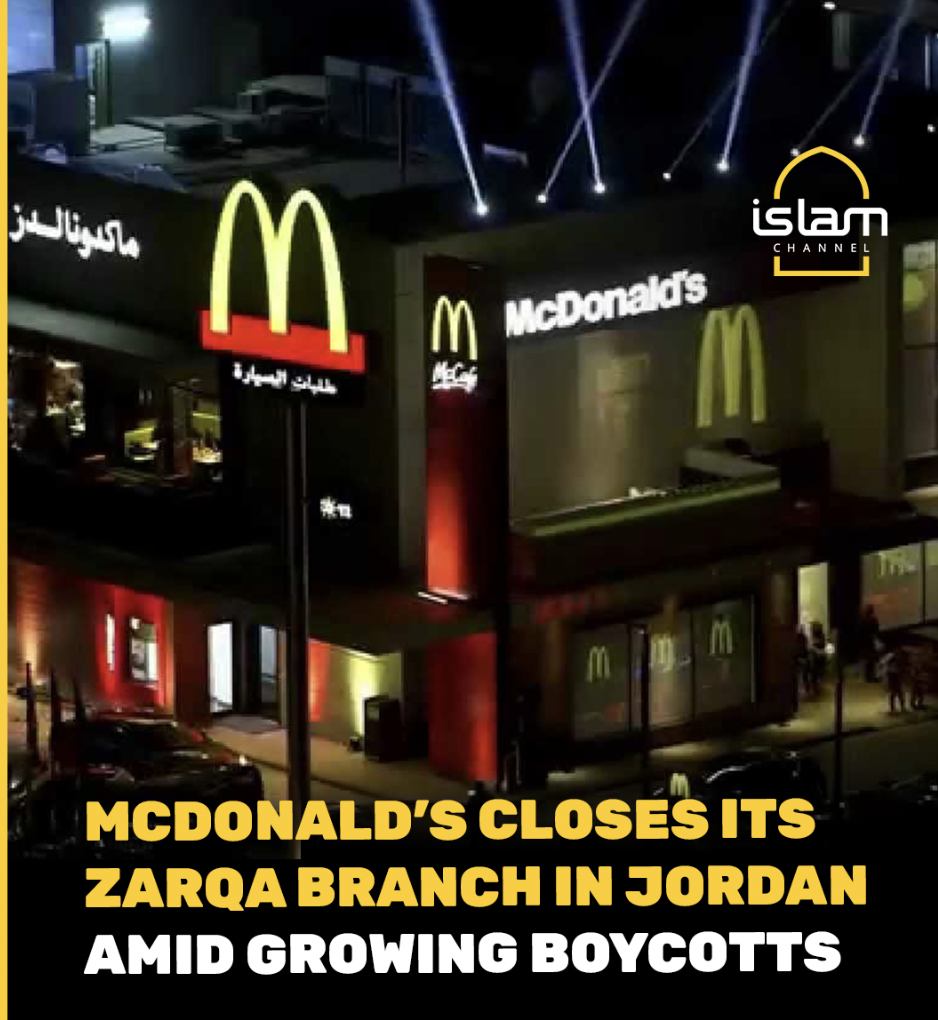
That doesn’t make the boycott pointless. The corporation collects royalties tied to sales, so the financial pressure doesn’t necessarily stop at the local restaurant. A boycott can get headquarters’ attention and still squeeze people closer to home. Both things can be true.
What Should McDonald’s Do Differently?
If McDonald’s wants every franchise to display the same arches, it should set clearer rules for what franchisees can do in the brand’s name. Give local operators room to support humanitarian relief, but draw a line around branded military support and partisan activity. And when a controversy crosses borders, headquarters should explain who made the decision and what the company’s policy is before franchisees are left issuing their own statements.
The power of those arches is that they mean McDonald’s everywhere. The problem is that they mean McDonald’s everywhere. You can make the menu local, hire locally, and put a local owner in charge. None of that stops people from seeing an American brand when they pull into the drive-through.
Sources
- McDonald’s 2025 Annual Report — franchise ownership and royalties
- Associated Press — the Israeli franchise’s meal donations and the international boycotts
- Al Jazeera — franchisees’ responses and humanitarian aid pledges
- McDonald’s first-quarter 2024 earnings release — comparable sales by segment
- McDonald’s SEC filing — completed acquisition of Alonyal and its 228 restaurants
AI disclosure: I used ChatGPT to help develop the outline, revise my draft for clarity and grammar, and find sources to check factual claims. The opinions and conclusions are my own.