In the world of retail, the most important metric for physical stores is sales per square foot. It makes sense that most brands design their storefronts to maximize traffic, and push seasonal inventory. Patagonia’s approach is different; it operates its stores as neighborhood community centers. It does a lot more than selling jackets. That blueprint proves that micro-communities are slowly replacing mass-market advertising in marketing.
Designing Spaces for Connection
Instead of moving into uniform shopping malls, Patagonia frequently re-purposes historic warehouses and old firehouses, a concept called adaptive reuse.
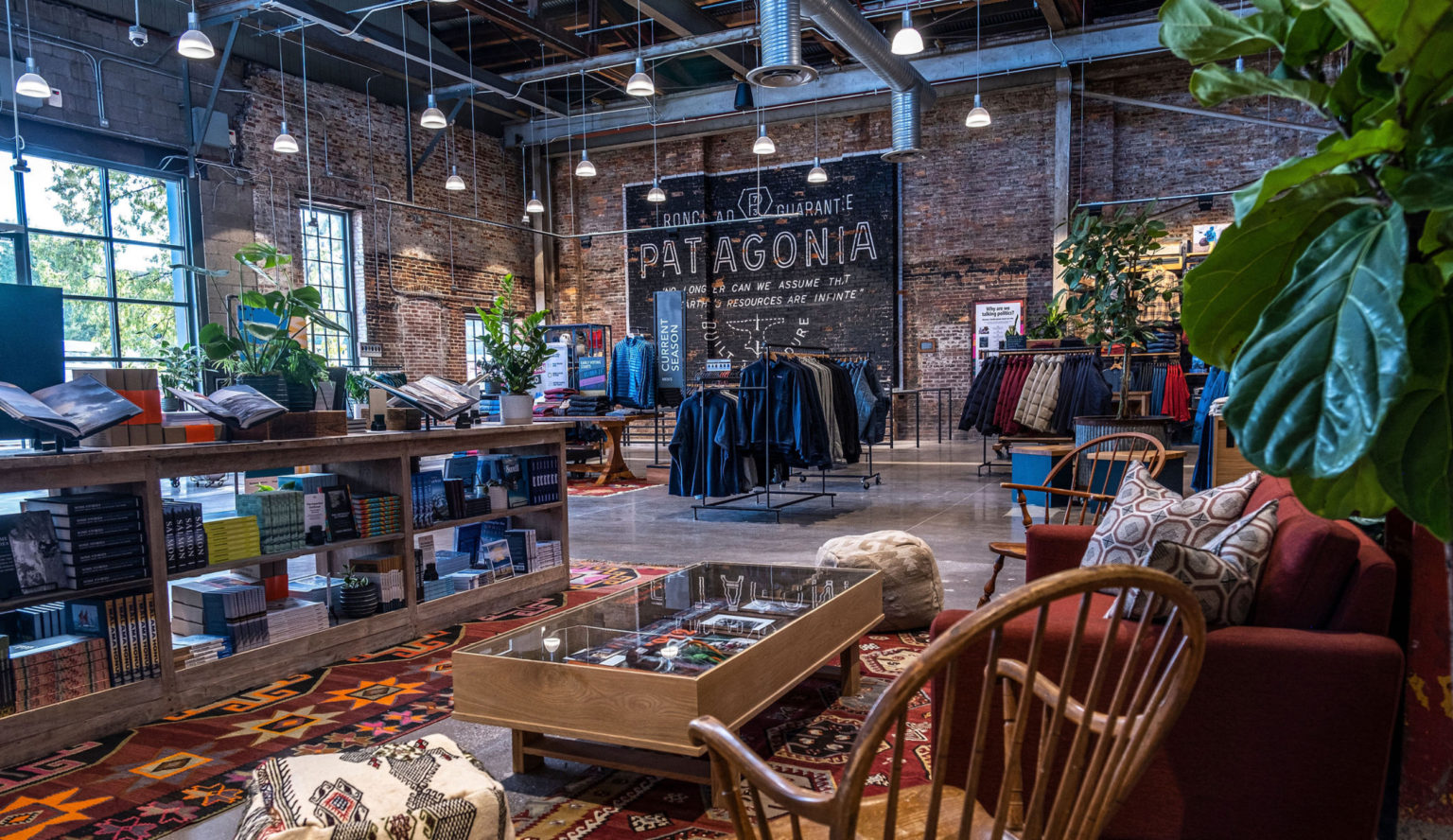
Inside their stores, there will be racks of fleece jackets next to community bulletin boards, local conservation maps, and open floor plans built for folding chairs. By hosting free documentary screenings, panel discussions on regional environmental threats, and outdoor skill workshops, Patagonia turns passive shoppers into active neighbors.
Empowering Store Staff for Community Building
A key part of Patagonia’s strategy is its employees; a community hub works only if the people running it are genuinely connected to the community. Through its Environmental Internship Program, Patagonia pays retail and corporate employees their full salary and benefits to leave their jobs for up to two months to volunteer with local grassroots nonprofits.
When those employees return to the sales floor, they bring firsthand knowledge of regional ecological issues and direct relationships with organizers of these local programs. Its store associates are less likely to act as commissioned salespeople and more like trusted community members who connect customers with causes in their areas.
Turning Gear into Shared Rituals
Patagonia strengthens this communal bond through its Worn Wear initiative. In-store repair stations and mobile repair pop-ups invite customers to bring in torn jackets and worn-out packs to be fixed. This happens alongside workshops teaching people how to mend their own gear.
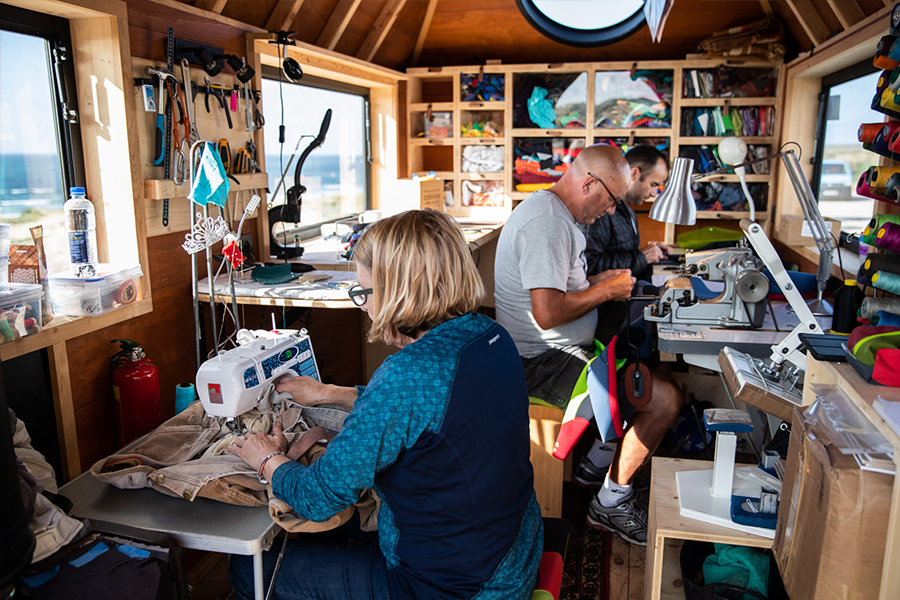
It might seem like the brand is encouraging customers to repair old clothing instead of buying new items, which could be counter intuitive for a global retailer. In practice, it creates a powerful shared ritual for the customers. Customers gather around sewing machines, share stories about past adventures, and bond over a shared commitment to circularity and sustainability.
The Key Takeaway
For global brands, Patagonia’s retail strategy offers a clear lesson: the future of brand loyalty lies in decentralized, local micro-communities. You do not need an environmental mission to apply this model. Any brand can shift from transactional retail to community building by asking a simple question: What brings our customers together when they aren’t buying our product?
Sources:
- Environmental Internship Program
- The first Patagonia store – David Gelles
- Patagonia: Profiting for Good
- Patagonia Baltimore Does a Lot More Than Sell Jackets
- Patagonia Employee Internship Program
- Patagonia Upcoming Events Hub
- Patagonia Worn Wear Wetsuit Repair Tour – SurfGirl Magazine
- Used Clothing & Gear – Patagonia® Worn Wear®