
No matter your income level, the SHEIN website can make you feel like a baller. How can you buy so many fashionable clothes for so little money? How is that even possible? Should you care about the potential labor abuses behind those prices? Well…? And you know the package traveled thousands of miles, yet shipping sometimes costs less than driving to the mall.
If you have never visited SHEIN’s website, take a peek. You will immediately understand what I mean. With many looking to save a buck, SHEIN appears to be an international-marketing miracle. But miracles are generally too good to be true. So how did SHEIN manage to undercut competitors, take advantage of international trade rules, and place pressure on suppliers? More importantly, is its glorious bargain-shopping era coming to an end?
What Is SHEIN?
Founded in China and now headquartered in Singapore, SHEIN is a primarily online fast-fashion retailer and marketplace. It uses customer data and technology to identify trends, produces clothing in small batches, measures demand, and rapidly orders more of whatever sells. SHEIN calls this its “on-demand” model.
The website seems determined to find your style at an attractive price. New products appear constantly, so there is always something shiny waiting to be purchased. SHEIN also markets aggressively through social media, influencers, personalized recommendations, and limited-time promotions. The site does not merely sell clothing; it keeps giving you reasons to look again.

SHEIN’s low prices did not come from magic. The company built a massive network of low-cost suppliers, shipped products directly from overseas factories to consumers, and avoided the expense of building and maintaining a large chain of traditional stores. That eliminates a significant amount of overhead.
Death by a Thousand Packages
Another major advantage involved the de minimis exemption, a fancy Latin name for a customs rule that historically allowed packages valued below $800 to enter the United States without ordinary import duties.
Instead of importing one taxable mountain of clothing into American warehouses and stores, SHEIN mailed millions of tiny packages directly to individual customers. Traditional retailers imported large commercial shipments, paid tariffs, maintained stores, and hired employees. SHEIN basically said, “Nah, we’ll go with the death-by-a-thousand-packages approach.”
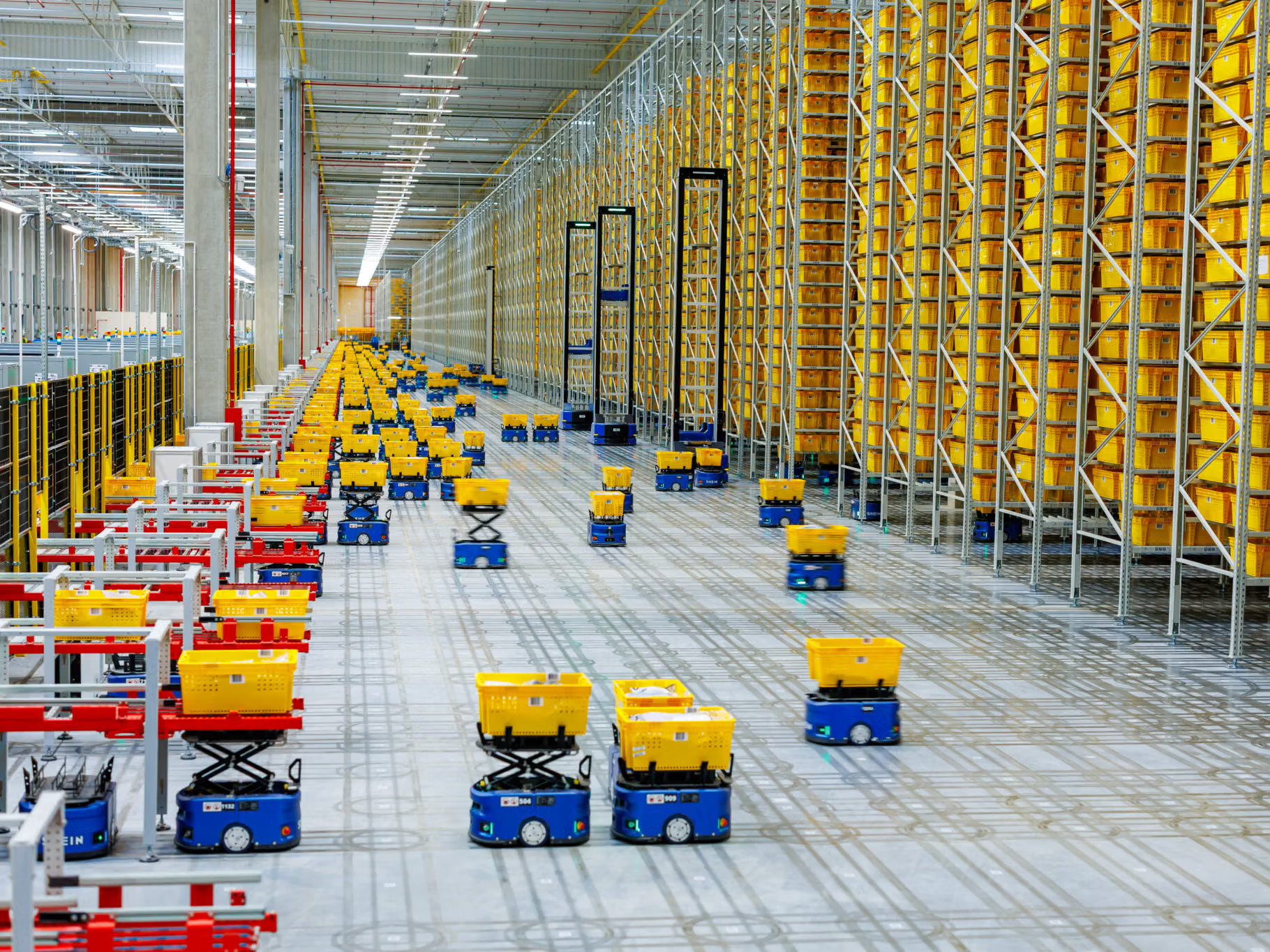
The strategy did not destroy traditional retail, but it gave SHEIN a tremendous price advantage over businesses operating through conventional supply chains.
However, all wonderful things eventually attract the government’s attention. Big Brother finally decided to check the mailbox.
The United States ended duty-free de minimis treatment for low-value packages from China in May 2025 and later suspended the exemption globally. The European Union introduced a €3 customs duty on certain low-value parcels in July 2026, while Reuters reported that an additional €2 handling fee would bring the total charge to €5 per customs category beginning November 1.

European regulators have also challenged SHEIN over allegedly fake discounts, pressure-selling tactics, misleading sustainability claims, incomplete refund information, and other potentially deceptive practices. A separate European Commission investigation is examining addictive design features, recommendation-system transparency, and illegal products offered through SHEIN’s marketplace.
SHEIN’s regulatory problems do not stop there. Reuters reported in October 2026 that the company agreed to pay $100 million to resolve an FTC investigation involving delivery delays and other customer complaints. According to FTC records reviewed by Reuters, consumers submitted more than 12,000 complaints involving over $11 million in purchases between 2020 and 2026. Some customers reported packages marked as delivered that never arrived and customer-service problems that remained unresolved.

SHEIN said that it had reached a “constructive outcome” with the FTC, although the agency declined to comment publicly and Reuters could not independently verify every consumer complaint. Still, when thousands of customers say they feel ghosted, regulators eventually stop laughing.
The True Cost of a $5 Shirt
Of course, there is a reason a shirt can cost less than a burrito. SHEIN’s low prices place enormous pressure on its suppliers. A 2024 investigation by the nonprofit organization Public Eye reported that workers interviewed at several SHEIN supplier factories regularly worked approximately 75 hours per week. SHEIN disputed many of the allegations and says it has expanded supplier audits, worker grievance procedures, training, and factory improvements.
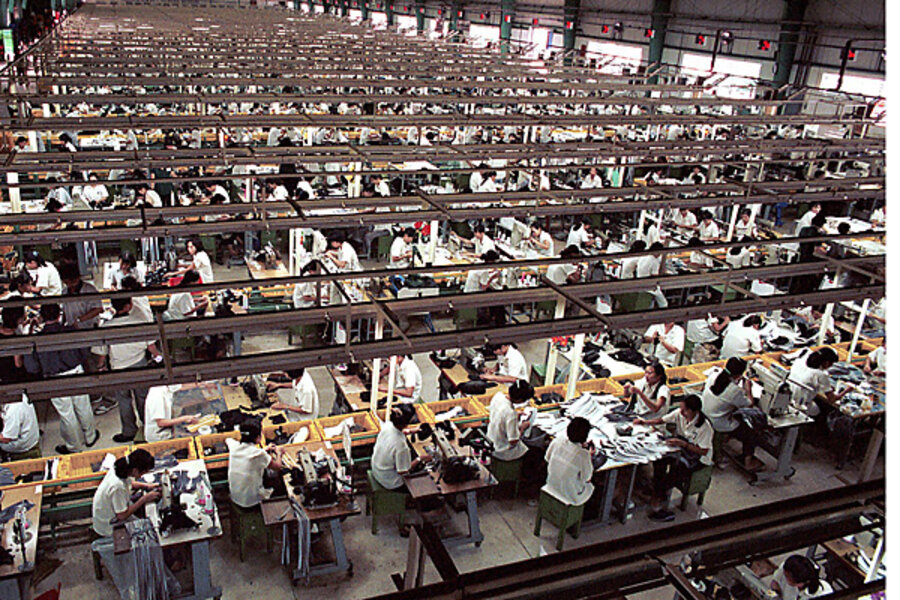
The company’s constantly changing styles also encourage customers to treat clothing as disposable. A cheap polyester shirt might be worn twice, forgotten in a closet, and eventually thrown away. Producing synthetic clothing contributes to water pollution and microplastic waste, while manufacturing and transporting millions of inexpensive products around the world creates additional environmental costs.
The shirt may cost $5 at checkout, but $5 is not necessarily its true cost.
However, it is easy for people with money to lecture everyone else about ethical shopping. SHEIN gives consumers with limited incomes access to fashionable clothing, enormous variety, and the enjoyment of trying something new without sacrificing the electric bill. Traditional clothing companies also outsource production, create waste, and sell synthetic clothing, just at higher prices.
Ordinary shoppers did not design this international system, and they should not receive all the blame for purchasing affordable products placed directly in front of them. If a parent needs clothing for three children on a limited budget, “Just buy something more ethical” is not a very helpful answer.
Is the Miracle Ending?
SHEIN’s innovation is real. The company combined customer data, social media, rapid production, direct international shipping, and aggressive pricing into one of the most effective retail machines in the world. It recognized trends quickly and transformed scrolling, shopping, and entertainment into nearly the same activity.
However, part of that success depended on fragmented customs, labor, tax, environmental, and consumer-protection rules. Governments have legitimate reasons to demand import duties, product safety, transparency, and accountability. If following those rules makes SHEIN’s clothing more expensive, perhaps the higher price is not punishment. Perhaps it reveals what the clothing should have cost all along.
SHEIN proved that it could squeeze an entire outfit into one tiny international package. Governments are now trying to squeeze the taxes, accountability, and true cost back into it.
Sources
- SHEIN: On-Demand Fashion Business Model
- U.S. Customs and Border Protection: De Minimis Duty Policy
- European Commission: €3 Customs Duty for Low-Value Parcels
- European Commission: Consumer-Protection Action Concerning SHEIN
- European Commission: Digital Services Act Investigation of SHEIN
- Reuters: SHEIN’s Reported $100 Million FTC Settlement
- Public Eye: Investigation of SHEIN Supplier Working Conditions
- SHEIN: 2024 Sustainability and Social Impact Report
- European Parliament: Environmental Impact of Fast Fashion
AI disclosure: I used ChatGPT to help organize my ideas, verify factual claims, locate sources, and review the clarity and grammar of my draft. The opinions, arguments, and conclusions expressed in this post are my own, and I reviewed the cited sources.