by: Nandini Patel Nov 2, 2026 (sorry I had it saved as a draft)
On November 2, 2026, crude oil prices experienced a sharp sell-off, as signals emerged that both Washington and Tehran are exploring diplomatic avenues to de-escalate their multi-month conflict. Over the next few minutes, we’ll break down the market reaction, the political context on both sides, key diplomatic proposals, and the broader risks ahead. Cause haha our president Trump is clearly doing a great job
Market Reaction
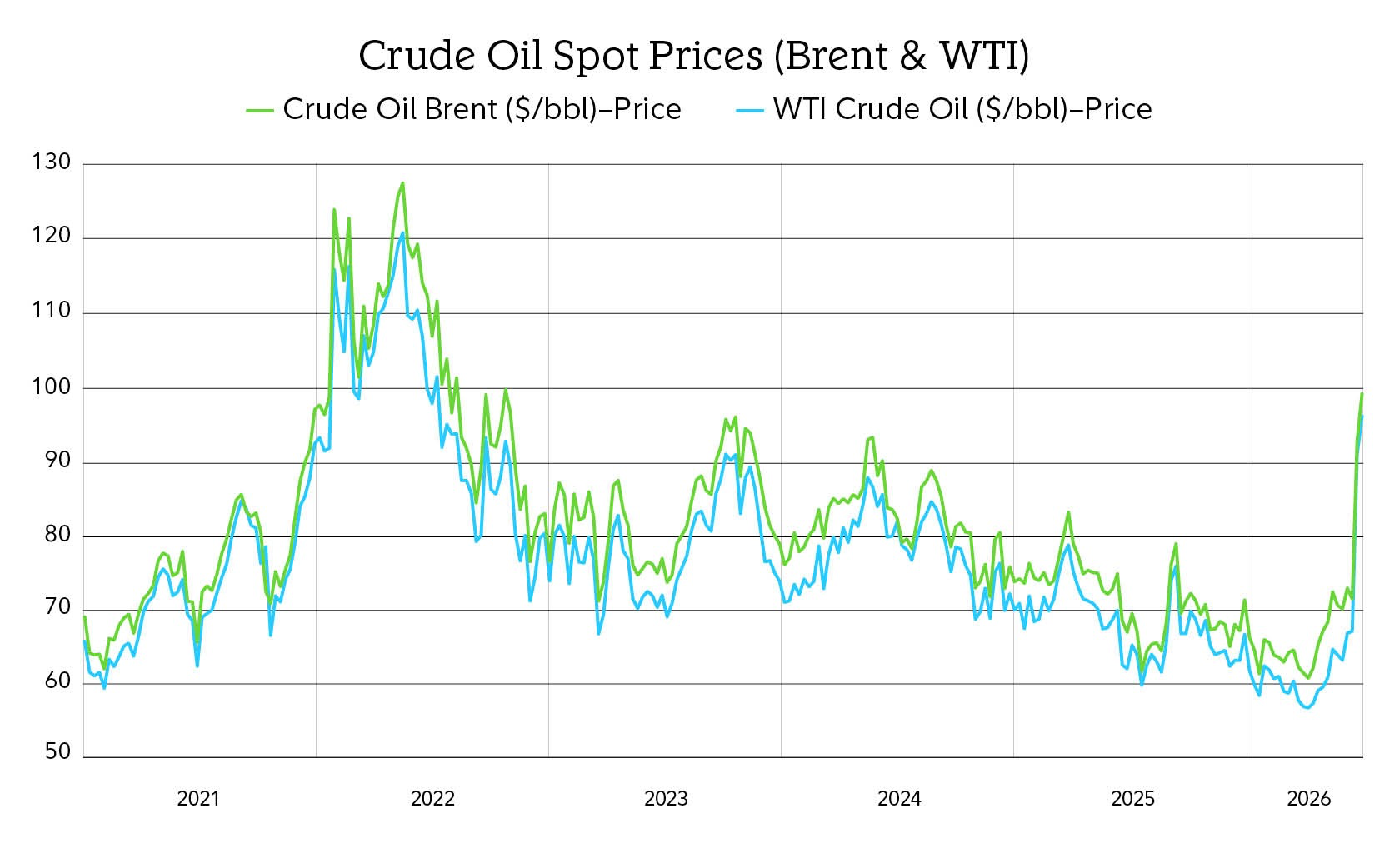
“Let’s begin with the immediate market impact. Oil futures dropped sharply following reports of potential peace talks. U.S. West Texas Intermediate, or WTI, fell over 7% to settle around $96.46 a barrel. Simultaneously, Brent crude—the global benchmark—dropped over 7.5% to $104.77 a barrel. This represents one of the largest single-day declines we’ve seen in months, effectively erasing a significant portion of the geopolitical risk premium built up over October.”
What is Going on in the US?
“What drove this sudden pivot? On the U.S. side, political considerations and official statements played a major role. President Trump noted that Iran appears eager to make a deal, signaling openness to negotiations. Secretary of State Marco Rubio reinforced this stance, stating that while the U.S. maintains full military capability, the administration’s preference is to resolve tensions peacefully. Crucially, with U.S. midterm elections taking place this week, markets had previously priced in a heightened risk of escalation immediately following the vote. Diplomatic headlines have temporarily defused those expectations.” With this we will experience a shift in local prices but also internationally
Iran’s Thoughts
“Turning to Tehran, Iranian leadership has also signaled a willingness to engage in dialogue. Iranian President emphasized resolving differences through negotiation, backed by specific authorities granted by the Supreme Leader. Foreign Minister reaffirmed that an agreement remains possible provided Washington demonstrates goodwill. However, mixed signals remain: the Supreme Leader simultaneously instructed armed forces to remain prepared for any potential threats, reflecting Tehran cautious stance.” smart.
Key Negotiating Terms
“So what is actually on the table? Mediation efforts, including talks facilitated through regional channels like Qatar, point back to framework proposals initially discussed at the UN General Assembly. Key Iranian conditions include relief from crippling economic sanctions, a reduction of U.S. military presence in the region back to baseline levels, and an end to naval blockades. While these conditions set a high bar, the active discussion of concrete terms gives energy markets a framework to evaluate.”
Market Outlook & Key Risks
“Finally, where do energy markets go from here? As analysts at TD Securities noted, while headlines alone can quickly trim the risk premium, a lasting drop in prices depends on concrete outcomes. Ongoing security concerns—such as shipping disruptions in the Red Sea and potential conflict escalation—mean volatility will persist. Traders have seen diplomatic rumors stall before, leading to renewed price spikes. In summary, while diplomacy offers temporary relief, market stability hinges on whether these initial talks transition into a durable agreement.”
Summary
As U.S. oil and gas companies continue to profit, consumers across the U.S. have been forced to pay more for energy and gasoline in recent months as constraints on international fuel supplies drive prices ever higher. Estimates suggest that U.S. consumers have spent an additional $147 billion – over $1,100 per household – on gasoline and diesel since the beginning of the war in Iran. The disparity has driven a political debate over who profits and who pays the price for the war.
The United States is not the only country to experience higher oil and gas profits in response to the ongoing conflict in the Middle East, with several European oil majors reporting higher-than-average earnings. Shell reported $12.06 billion in third-quarter earnings, roughly double what it earned in the same period last year. Meanwhile, France’s TotalEnergies more than doubled its third-quarter profit compared to 2025, at $8.26 billion.
As several oil and gas companies across the Middle East and Asia continue to see restrictions on energy production and trade due to ongoing conflict, damage to infrastructure, and restrictions on movement through the Strait of Hormuz, U.S. and European fossil fuel companies are expected to continue profiting from both the higher demand for fuel from these markets and elevated oil and gas prices.