The concept of glocalization has been tested for the past decade, yet it is still relevant. It stems from the two words ‘global’ and ‘localization’. According to Acclaro, a Japanese economist came up with this term in the 1980s, and it was introduced by Sociologist Roland Robertson in The Harvard Business. Glocalization combines global and local strategies to market products or services on a global scale while customizing offerings to each market. This allows brands to reach global and regional consumers at the same time. It often involves adaptation in price, product package size, and branding. Studying local consumption patterns is key before comprehensive cultural adaptation and market localization.
For Fast Moving Consumer Goods (FMCG) global brands like Unilever, Coca-Cola, and Nestle, a one-size-fits-all global marketing strategy does not work in all markets. According to NIQ, FMCG refers to products that sell quickly at relatively low cost. They are considered fast-moving because retailers need to restock their shelves regularly due to high turnover rate or, perishability or high demand, for example, food, beverages or toiletries.

Looking at the African continent, it consists of diverse micro-markets, each with its own rules, rhythms, and realities. African markets are diverse not just in language(1000-2000 languages) or geography, but in consumer psychology. A campaign that works in Egypt might not work in South Africa; prices that work in Nigeria might not work in Kenya. All these markets are distinctively different. Global FCMG brands have been targeting African markets for various reasons: its population is projected to exceed 2.5 billion by 2050, there is an expansion of the middle class, rapid urbanization, and rapid internet penetration.
Successful Cases of Glocalization
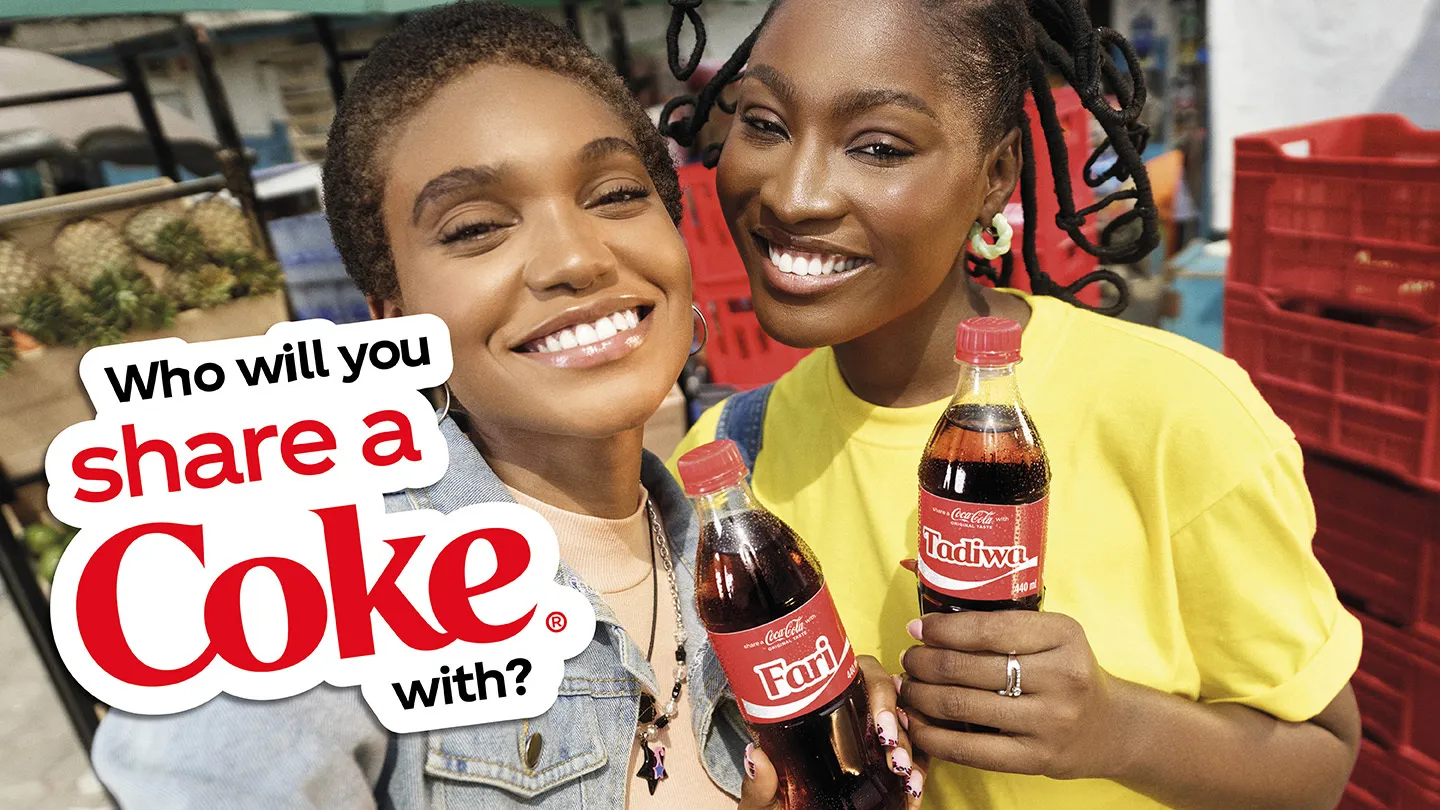
A perfect example is Coca-Cola, which implemented a successful glocalization strategy in African markets through the “Share a Coke” campaign. Instead of labelling Coke bottles with English names, Coca-Cola included local ones like Thandi and Fari in Shona, Swahili, Zulu, Xhosa etc. Even though the drink did not change, the way the brand connects with African consumers changed because of this campaign. Bolingo Consult observed that each bottle became personal, emotional, and familiar, confirming the consumers’ desire to be seen.
Another successful example of an FMCG brand glocalizing in Africa is Unilever. This global brand has had success in African markets such as Ghana, Nigeria and South Africa. Unilever adapted the product itself, not just the messaging; it adjusted packaging sizes and pricing to fit income levels and buying patterns. A customer who cannot afford a full-size tube of toothpaste can buy a sachet enough for one day. Their campaigns reflect local values, emphasizing hygiene, family, and community. However, there are environmental concerns that arise from such strategies; critics have argued that single-use sachets are contributing significantly to Africa’s growing plastic waste crisis. Unilever has embarked on various sustainability projects to meet the needs of African markets and combat rising plastic waste challenges.
The question is whether glocalization should solve economic problems even at the expense of the natural environment.
Other downsides of glocalization for FMCG brands apart from negative environmental impacts include supply chain complexities. These arise due to operational friction in-order to satisfy a certain formulation or product size for a local market. There is also a high risk of cultural misinterpretation, which can cause backlash. In conclusion, glocalization strategies are worth pursuing for African markets; the key is to maintain a baseline global product and only adapt non-structural variables on the basis of thorough market research.
African Market Localization Best Practices: Your Complete Guide to Success! – AfroLingo
Coca-Cola’s Global Masterbrand Strategy with Local Market Adaptation
How Global Brands Localize Successfully In Africa
Penetrating the African Market: Localization Best Practices
Masterplan Glocalization: 10 Expert Strategies from a Leading Digital Marketing Agency
The Winning Strategy in West Africa for global brands | LinkedIn
What is glocalization? Synergizing global and local strategies | Blogs | Acclaro
What is the difference between “FMCG” and “CPG?” – NIQ