Nandini “Nan” Patel
Executive Summary: Trump Administration’s Clean Car Standard Rollback
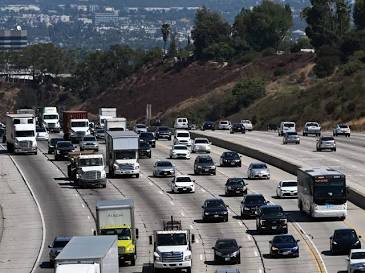
The Trump administration, through the Department of Transportation (DOT) and National Highway Traffic Safety Administration (NHTSA), announced a major policy shift by slashing federal clean car standards. The new initiative, titled “Freedom Means Affordable Cars,” relaxes fuel economy requirements on automakers for gasoline-powered passenger cars and light trucks for model years 2022 through 2031. Transportation is the largest contributor to greenhouse gas emissions, accounting for roughly 28% of total national output according to the EPA. The new regulation reverses Biden-era policies that aimed for a fleet wide average of 50.4 miles per gallon (mpg) by 2031 and targeted 50% EV sales by 2030. Instead, the revised framework targets a fleet average of approximately 34.9 mpg by 2031, requiring minimal annual efficiency increases of 0.25% to 0.5%
Key Stakeholder Perspectives
| Category | Administration Claims | Environmental & Health Concerns |
|---|---|---|
| Vehicle Costs | Lowers average new vehicle prices by $1,300. | Increases fuel consumption by 100 billion gallonsthrough 2050. |
| Consumer Impact | Saves consumers $138 billion over 5 years. | Adds $185 billion in consumer spending at the pump. |
| Emissions & Health | Frames rollback as eliminating an “illegal EV mandate”. | Increases CO2 emissions by 5% and worsens pediatric asthma risks. |
- Administration Viewpoint: President Donald Trump and Transportation Secretary Sean Duffy argued that strict fuel standards artificially inflated vehicle prices and forced automakers to produce expensive electric vehicles that consumers did not want. The administration contends that lowering upfront purchase costs will enable families to upgrade to newer, safer vehicles sooner.
- Environmental & Health Concerns: Environmental advocates from the Sierra Club and Center for Biological Diversity, alongside health groups like the American Lung Association, condemned the decision. They emphasized that the DOT’s own projections show the rule will increase nationwide carbon dioxide emissions by 5% and burden drivers with higher lifetime fuel costs despite the lower purchase price.