Would you trust a supplier with the idea for your next bestselling beauty product?
Global B2B marketing isn’t just about having the best product. It’s about convincing another company that you are the right partner.
Imagine you’re launching a new skincare product that you believe could become your brand’s next bestseller. You’ve spent months developing the concept, researching the market, and building a marketing strategy. Now, you need a manufacturer to bring your idea to life. You have two potential suppliers: one offers a lower price and a faster production timeline. The other supplier has taken the time to understand your vision. It demonstrates consistent quality and builds a relationship with your team. Which would you trust with your product?
This scenario highlights what I find most interesting about global business-to-business (B2B) marketing: business decisions aren’t always based on price or product quality alone. Companies must also consider reliability, communication, confidentiality, and the potential for a long-term partnership. When working with international suppliers, these decisions can become even more complex as businesses navigate differences in culture, communication styles, business practices, and expectations.
In the beauty industry, where product innovation, packaging, and speed to market can influence a brand’s competitive position, supplier relationships can be especially important. A manufacturer may operate behind the scenes, but its processes and decisions can determine how it develops, differentiates, and brings a product to market.
So, how do companies build trust across borders, and what happens when expectations between business partners don’t align? Answering these questions reveals why successful global B2B marketing requires more than negotiating a contract. It requires relationships that can support a business long after the initial sale.
When B2B Trust Is Put to the Test
A recent example caught my attention. It concerns the eye-patch packaging controversy involving Fenty Skin, Glow Recipe, Huda Beauty, and Vitamasques. The context notes brand similarity raises questions about supplier relationships, exclusivity, and protecting product differentiation. These brands became linked to highly similar product designs. This raised questions about supplier relationships, exclusivity, and how companies protect their product differentiation.
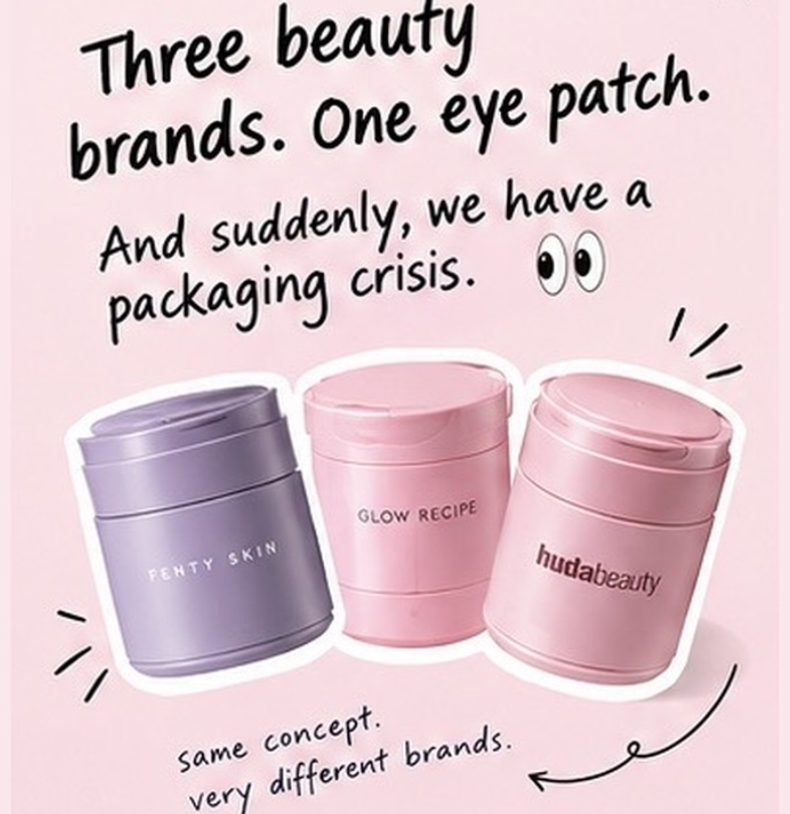
What makes this situation relevant to global B2B marketing is the business activity that takes place behind a consumer facing product. When a beauty brand partners with a manufacturer, it may rely on that relationship. This can turn an idea into a finished product and establish a distinctive market position. Similar products appearing around the same time can raise questions about exclusivity. It may be unclear how exclusivity was defined and what expectations were communicated. It also shows how brands protected product concepts. Without access to private contracts and supplier agreements, we cannot conclude the brands share a manufacturer or breach any agreement.
From a business owner’s perspective, a situation like this would influence what I look for in a manufacturing partner. If my brand’s competitive advantage depended on offering something distinctive, I would want clear agreements about exclusivity, transparency around production arrangements, and confidence that my supplier understood the importance of protecting my business interests. Even if no agreement had been violated, uncertainty around these issues could affect my willingness to continue the relationship.
This example highlights a broader lesson for global B2B marketers: trust needs to be supported by clear communication, aligned expectations, and well-defined agreements especially for those who are international. Building a strong relationship matters, but businesses must also establish what that relationship means in practice, particularly when innovation and differentiation are central to their success.

https://www.instagram.com/reel/Ddpso_cAI6k/?utm_source=ig_web_copy_link&stkn=MzRlODBiNWFlZA==
Why Trust Matters Across Borders
Consumers see the finished product, not the manufacturer, supplier agreements, or business relationships behind it. These relationships can directly influence the product that reaches the market. They also shape the experience a brand delivers to its customers. Understanding B2B relationships is, therefore, just as important as understanding the consumer-facing side of a business.
International partnerships add complexity. Nevertheless, companies cannot assume the same relationship-building strategy works in every market. Expectations around hierarchy, decision-making, communication, negotiation, and relationship-building can vary across cultures. A direct communication style that works well in one market, for example, may need to be adapted to meet the expectations of business partners in another.
For global marketers, this creates a balance between consistency and adaptation. A company may maintain the same core brand identity, product standards, and value proposition worldwide while adjusting how it communicates, negotiates, and builds relationships with local partners. Successful global B2B marketing means adapting the relationship without losing sight of the value the business promises to deliver.
Ultimately, global B2B marketing is about more than crossing borders. It is about navigating cultural, organizational, digital, and relationship boundaries to build partnerships that can succeed over time. A competitive price or innovative product may open the door, but trust, communication, and clearly defined expectations help sustain the relationship.
For me, one of the most important takeaways is that a successful international partnership is not built on a single transaction. We build the partnership on the confidence that both companies can create value together over the long term. Products and prices may attract a business partner, but the strength of the relationship can influence whether that partnership continues.
This leaves an important question for any company entering a new international market: Would you prioritize building brand awareness, establishing relationships, or earning trust first? All three matter, but their relative importance may depend on the market, the business relationship, and the risks involved. Understanding how these factors work together is what makes global B2B marketing both challenging and valuable.