In the original entry on this topic I went over what numbers are used most internationally for a pricing strategy and why this differs by culture based on region and high or low context. This time around we will be exploring other tactics used when it comes to presenting a product’s price.
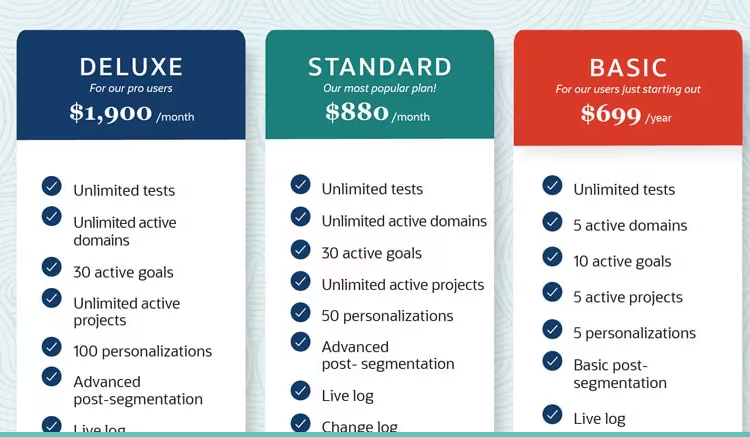
The first tactic is “Price Anchoring.” This can often be seen in a tiered product system. For example, if a software sells a premium program for $1,000 or a standard program for $600, customers are more likely to spring for the standard program as they perceive it as a deal in comparison to the premium product. Without the perceived anchor price of the high-end software, customers may question whether $600 is too high of an asking price. A company could also use this tactic in the opposite direction by making the jump to premium only marginally larger. While this tactic requires a way to present multiple tiered options, it is effective for a company to steer customers towards the product they most want to sell.
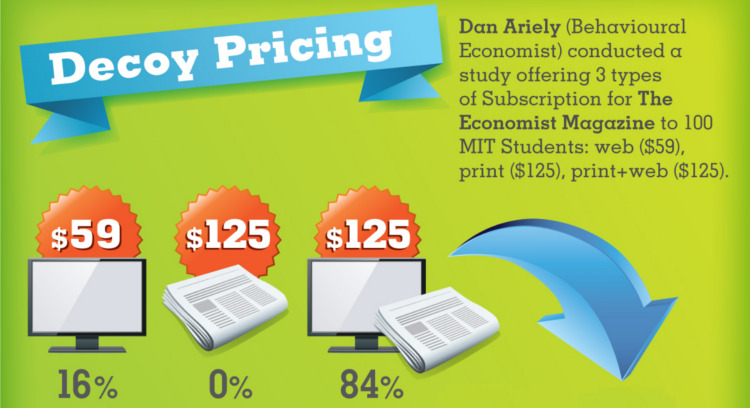
Next up, we have “Decoy Pricing.” Like anchoring, decoy pricing uses the perception of a deal in order to sell more. For example, if you owned an online photo company that offers online access to photos or printed photos, the company could combine these services. If these are the only two options, many may gravitate towards the cheaper option. This is where you could add a decoy option. Instead of the two options being “web only” for $59 and “web and print” for $125, the company would add a “print only” option between the two for $125 as well to promote the combined service as a savings option even if its still going for the same price. This strategy is built with the intention that nobody would buy the decoy tier of pricing, but more who might have just gone for the basic tier to upgrade.
Finally, we have “Odd and Even Pricing.” Like my last entry this has to do with what number the price ends with. While last time, I focused on which type of country gravitates toward which price, this is more focused on what type of product is marketed with each. Odd prices tend to be used to present a product as a deal. This helps keep it below a specific bar. For example, $9.99 feels much lower than $10 even though they are virtually identical. On the other hand even pricing uses round numbers which are often associated with luxury goods. These products do not want to appear discounted.

While as graduate students we may scoff at the idea of falling for these pricing tactics, the numbers continue to show these are effective in creating value. At the end of the day, its important to determine which of these psychological tactics best aligns with the product you are marketing.
https://www.netsuite.com/portal/resource/articles/ecommerce/psychological-pricing.shtml