How brands can deal with social media errs.
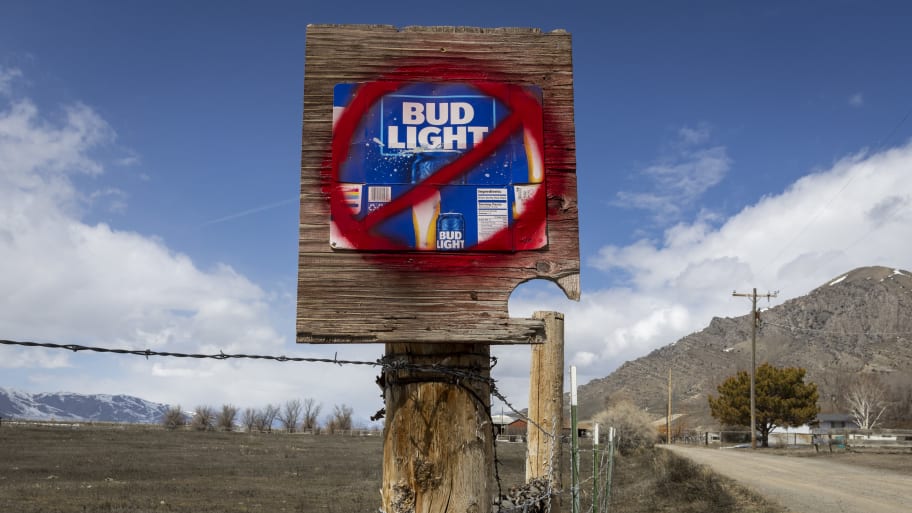
Many brands are focusing on consumer bases who, more than ever, demand they take a stand on certain issues. At Bud Light, who partnered with transgender influencer Dylan Mulvaney for a promotional post last year, they realized the ramifications of taking such stances in full force.
The idea was simple: Show support for the transgender community with an unassuming partnership and a basic promo. However, the backlash was anything but. Not only did they receive criticism and a subsequent boycott from the brand’s more conservative consumer base, they also found themselves being attacked online by their more liberal consumers who claimed that the company had mishandled the problem with their lack of response or condemnation for those against the partnership.
Since then, Bud Light has struggled to recover. In the months following the incident, sales dropped 20-30% in many counties when compared to previous years. Many consumers substituted the product with competitors like Coors or Miller.
It’s very easy for a brand to find itself between a rock and a hard place, especially on social media where the response can be fast as lightning and the sentence carried out before the brand has a chance to collect themselves. So, social media marketers must understand how vital a proper response is.
There are several methods a brand must use in order to ensure a response is apt for a given situation. The first is social listening. Knowing what consumers are saying about the product is everything here. Monitoring posts, comments, and replies on social media not only lets the brand know there is a problem, but also highlights its scope and alerts it to any other problems consumers may have besides the obvious.
To do this, a brand can use a tool specifically made for social listening and monitoring. This gives brands the option to get alerted when certain events happen whether it be a specific number of mentions within a certain timeframe or a specific set of keywords related to the brand are trending.
The next method for response is swiftness. Having a response ready to go is essential even if it just bides some extra time and isn’t all-encompassing of the issue. A simple ‘We are looking into the issue.’ could be all a company needs to put while they sort out their next steps. Of course the size of the problem plays heavily into the feasibility of this option.
But this ties into the next idea: planning. It is essential to have a plan for these kinds of events. When something goes wrong, even if the planning hasn’t prepared for this specific situation, there will at least be some course of action in place for responding appropriately.
Lastly, and this is where Bud Light faltered, it is essential to take responsibility for the mistake. Now, Bud Light was in a tough spot. Taking responsibility may have angered either side depending on which route they took. Had they said they made a mistake with the partnership, the left-leaning side would be angry. Had they condemned those boycotting, the right-leaning would be even angrier.
In the end, they chose to opt for a nothingburger of a response, basically saying that the brand values bringing people together and not apart. Of course, this led to more backlash.
Brands will inevitably make mistakes on social media. The important thing is that know how to handle it well before it happens.
Sources:
https://www.campaignasia.com/article/year-in-review-six-biggest-brand-fails-of-2023/493359
https://www.searchenginejournal.com/recover-big-social-media-blunder/185997
https://hbr.org/2024/03/lessons-from-the-bud-light-boycott-one-year-later
https://www.anheuser-busch.com/newsroom/our-responsibility-to-america