With credit to the professor’s slides on Global Market Intelligence, there are 6 steps to follow when designing a research study. They are as follows:
1. Define the research problem(s)
2. Develop a research design
3. Determine information needs
4. Collect the Data (secondary and primary)
5. Analyze the data and interpret the results
6. Report and present the findings of the study
In this blog post, I will focus on the 6th step, reporting and presenting data.
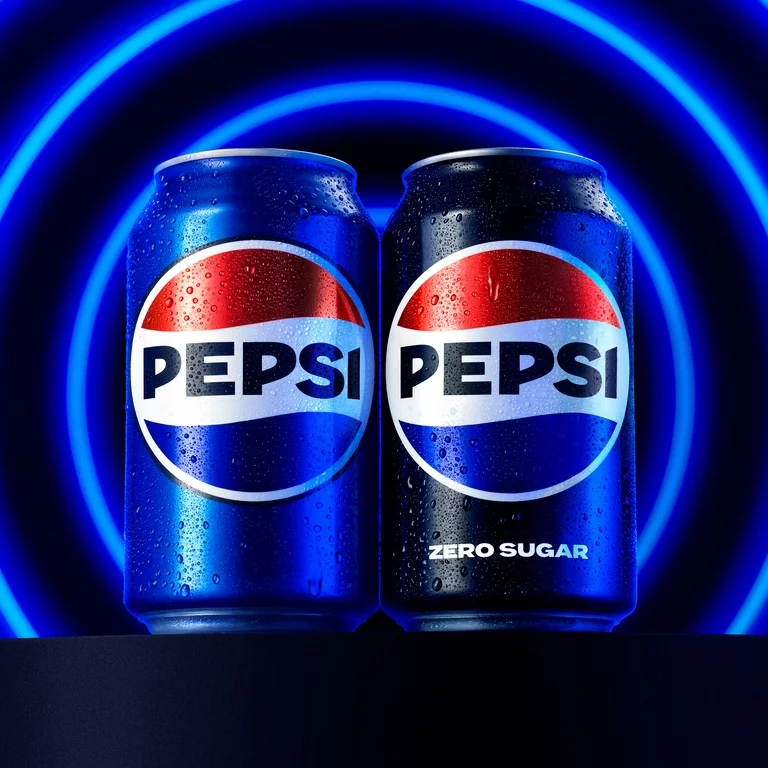
PepsiCo, the food and beverage giant, hasn’t gotten where it is today in the global market without becoming an expert on consumer data. It’s constantly absorbing information from supermarket checkout counters in one corner of the world to e-commerce trends in another. PepsiCo’s unquenchable thirst for consumer insights is indeed key to their global empire. But here’s the challenge: data can taste very flat at times, especially for younger generations entering the workforce, like Gen-Z and Millennials.
Traditionally, PepsiCo presented this global market intelligence internally in the form of eye-wateringly dry reports and PowerPoint presentations that could rival Lord of the Rings in length. With more and more young folk entering the business, PepsiCo realized their data dissemination strategy needed to be revamped to capture everyone’s attention and improve data literacy and retention.
So, they Marie Kondo’d their old physical data binders and slimmed down on PowerPoint presentations. In were new internal interactive apps, each customized for a specific beverage brand and market, which became the new norm. Instead of sitting down for a 2 hour meeting on the SWOT for each and every Pepsi brand, imagine scrolling through a dynamic, data-driven magazine tailored to PepsiCo’s various markets, with insights on consumer preferences for chai-infused beverages. Suddenly, learning about your own company’s global market intelligence transforms from a boring chore into something genuinely fun.
Going even further, PepsiCo’s internal data teams didn’t just add some digital bells and whistles. They gamified the entire data experience. Employees can now take quizzes on the latest trends in the European seltzer market, or compete with colleagues in a friendly game that tests knowledge of brand performance in Southeast Asia. This completely unique approach not only improves engagement with all teams in the performance of the company, but also brings them together in the spirit of friendly competition and collaboration. What’s left is a winning formula for boosting employee engagement and encouraging a sense of community and ownership, as well as improving knowledge retention across the board.
Citations: