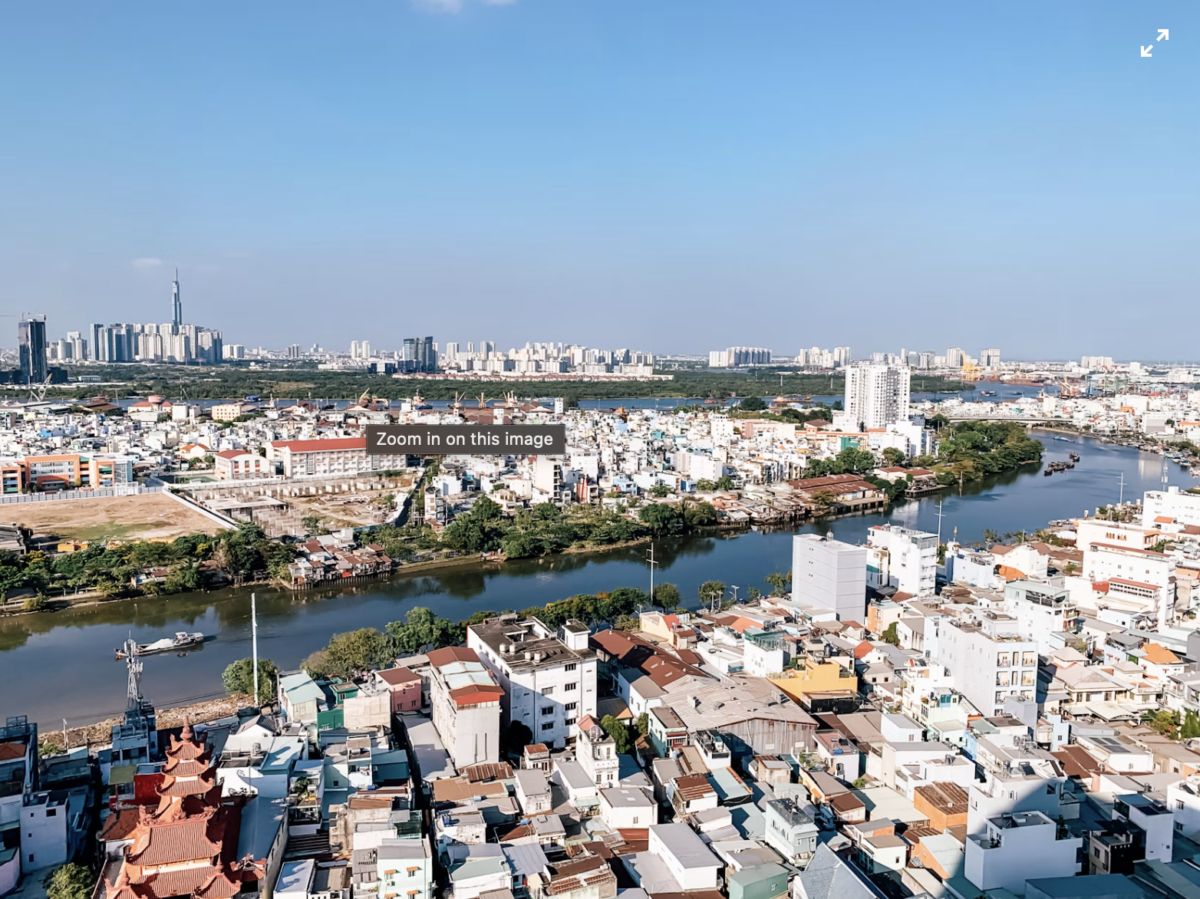
In my last post, I wrote about how Vietnamese families treat gold like a savings account. But something interesting is happening as Vietnam gets richer. Gold is slowly moving from the drawer to the wrist. The same metal is starting to play a second role: not just protection, but self-expression.
To me, this shift says a lot about how a country changes once people have money left over after the essentials.
A middle class growing fast
The numbers behind this shift are striking. McKinsey found that Vietnam’s “consuming class” grew from under 10% of the population in 2000 to about 40%, and could reach roughly 75% by 2030. That is about 36 million new middle-class consumers in a single decade. GNI per capita rose to about $4,970 in 2025, pushing the country into upper-middle-income territory.
You can see the change in what people buy. Car ownership roughly tripled in 13 years. Global brands like Tiffany & Co. and Montblanc have opened their first stores in Hanoi and Ho Chi Minh City.
From “how many grams?” to “how does it look?”
For older generations, the first question at a gold counter was purity and weight. Design barely mattered, because the ring might be sold again someday. Younger, wealthier buyers are adding new questions. Does it match my style? Can I wear it to work? Is the brand one my friends recognize?
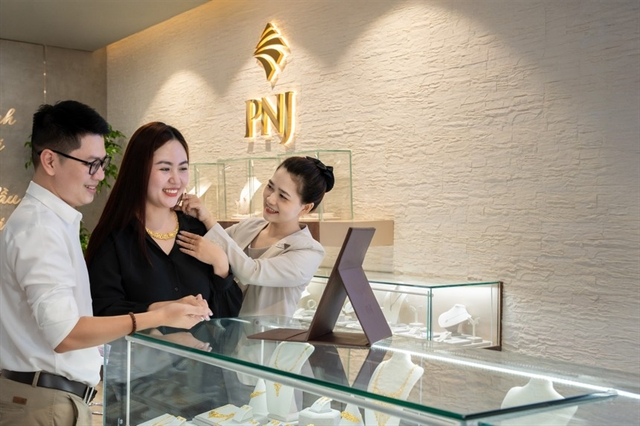
PNJ, Vietnam’s largest jewelry retailer, shows how local players are responding. The company earned about $1.3 billion in revenue in 2025, up nearly 34%, with retail now making up almost 70% of sales. It has been moving toward larger stores and has called personalized customer experience a key part of its strategy. That sounds a lot more like a fashion retailer than an old-school gold shop.
Culture doesn’t disappear. It layers.
Here is the part I find most interesting from a cultural environment angle. Rising income does not erase the old values. It stacks new ones on top. Many middle-class buyers still want high-karat gold that holds its value. They just want it to look good too. Price also remains the top deciding factor for many Vietnamese consumers, according to a 2026 survey summary.
That creates a tricky opening for foreign brands. A Western jeweler that only sells 14k or 18k “fashion” pieces may look stylish, but it can feel like a weak investment to a Vietnamese buyer. Local brands that combine purity, resale value, and modern design are often better positioned than the big global names.
The takeaway
When a market gets richer, it is tempting to assume consumers will start acting like Western shoppers. Vietnam suggests otherwise. The middle class is spending more, but it is spending through its own cultural lens. The winning products respect the old meaning of gold while giving people a new way to show who they are.
Do you think rising income makes consumers more “global,” or just more confident about their own traditions? I’d love to hear your take.
AI disclosure: I used ChatGPT to help research and draft this post.
References
- VietnamPlus. (2021, December 11). Vietnam expected to add 36 million middle class people in next decade (citing McKinsey, The new faces of the Vietnamese consumer).
- Vietnam Briefing. (2026, July). Understanding Vietnam’s middle class: Size, spending patterns, and opportunities for businesses.
- KrASIA. Luxury purchases are now mainstream for Vietnam’s booming consumer class.
- Vietnam Briefing. Vietnam’s luxury market: An appetite for high-end products.
- Viet Nam News. PNJ reports $1.3 billion revenue for 2025.