
Once a powerhouse in the global coffee industry, Starbucks now faces formidable challenges in sustaining its business momentum. In response to dwindling sales, the company has launched aggressive promotional campaigns to reignite consumer interest and stimulate growth.
Aside from changing consumer preferences, Starbucks amongst other well-renowned companies has taken a hit as a result of the Israel-Hamas conflict, with strong accusations that they are in favor of one side over the other. This alone has caused negative backlash from even their loyal customer base, signaling that they will not support anyone who allows the violence to prevail. Passionate customers went to the extent of not only boycotting Starbucks but also had cases of vandalism and social media slanders, more so in the Middle East and North America.
Starbucks CEO, Laxman Narasimhan, said that the outrage from their customer base caused sales to be down by 5% in global growth rate as of December 2023, compared to the previous quarter, and their stock went down by 8% as of January 2024. Their once popular holiday season last quarter was quickly unpopular as people decided to get their coffee fix elsewhere, again showcasing their support for those who are suffering around the world.

To save the brand image, and entice customers to come back, they rolled out “3x points on Tuesdays, $3 Thursdays, and buy-one, get-one offer on weekends”, which had loyal customers lining up once again. In addition to these promotions, they are also working vigorously on improving the app’s accuracy to help with efficiency instead of the long lines. In Narasimhan’s year-end letter, he attempted to mitigate and clarify Starbucks’ stance on the issue. He stated that “our stance is clear. We stand for humanity” and that his genuine concern for the tensions and conflicts in the world is what matters and that the safety of their customers is what is most important. Any statements that came out on the issue, resulted in a direct impact on their brand.
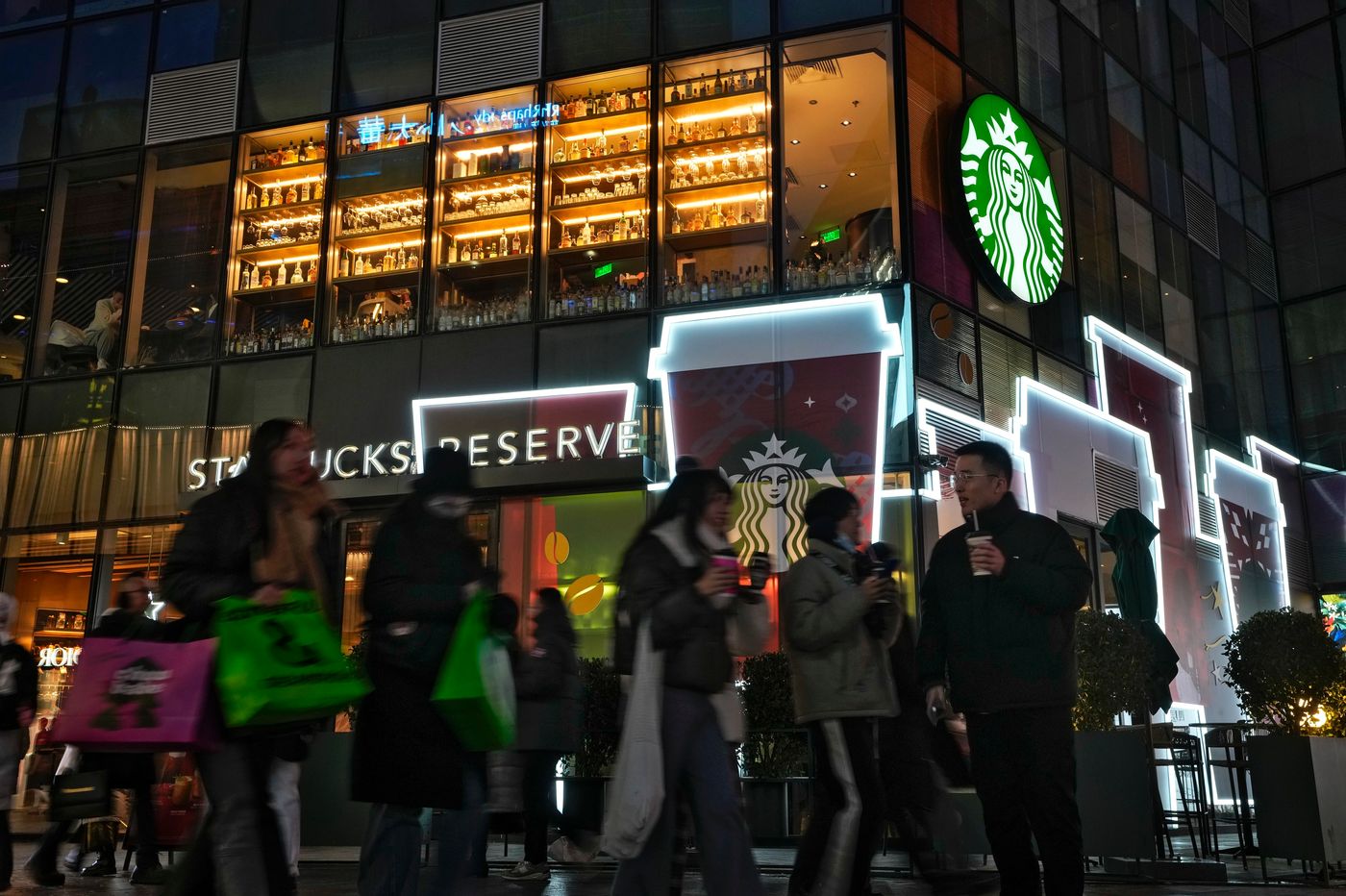
Half of Starbucks stores are located globally, in which China is seen to be one of their bigger growth markets. However, the backlash was felt in China as well, which prompted them to shift their efforts to recapture the lost market. This led them to offer more drinks catered to the Chinese market including local flavors such as red bean and taro. They are also working on pushing out Starbucks into small cities
References: