Many companies are now fleeing China in the hopes of cheaper labor.
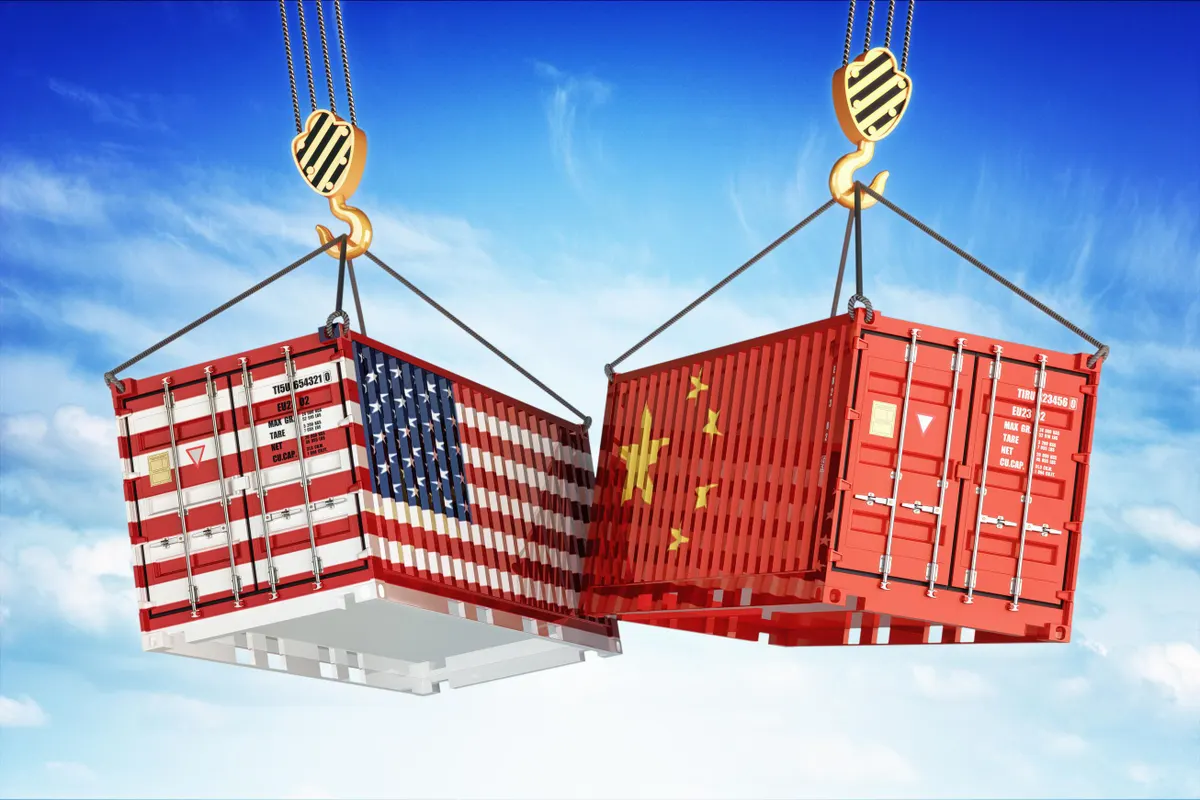
As a result of various global and domestic changes, China is no longer the cheap labor manufacturer it once was. When China joined the World Trade Organization in 2001, it was seen as the great killer of what was left for American manufacturing. Many businesses saw China as the next great place to go compared to countries close to the United States, such as Mexico. This position would continue for two decades, becoming the new standard for manufacturing and shipping cheap goods to the United States. This would all halt in March 2020 as the Covid-19 would stop the process. Months later, with no change in sight, the pandemic would still drag on, and China’s no-covid policy would keep factories and the international supply chain market at a standstill. As the situation was thought to improve due to the pandemic’s end, it further escalated as the U.S. saw itself entering a trade war with China. As China began to modernize and wages rose, its manufacturing advantage diminished. Many businesses would use this to start exploring manufacturing options and countries. One prime example of this would be Apple’s subsidiary Foxconn, which has begun moving most of its operations from China to neighboring Vietnam and India.
As businesses depart China, they must market themselves differently to local suppliers, consumers, and governments. Just as they made their way into China, they will still have to invest the same time and resources that went into will be needed for the situation. While they may just be going to neighboring countries that border China, there is an entirely different set of policies, laws, and business practices they much follow and be respectful of to adapt and market themselves with a different approach. For businesses looking to expand their manufacturing operations, the shift away from China will allow them to market themselves to other businesses. Companies that offer local supply chain solutions, customized products, and unique manufacturing processes will be able to stand out from the competition and gain new customers in countries that are now viable options. In addition, businesses with established relationships with local suppliers and experience working in different markets can use this to their advantage and offer consulting services to other businesses.
Vietnam and India are the two top countries to benefit from the shift. Both have aggressively attracted foreign investment and promoted themselves as manufacturing destinations due to lower labor costs and favorable government policies. This has been a wake-up call for China as it tries to balance the need for modernization and economic growth with the potential loss of its manufacturing advantage.
China’s era as the world’s manufacturing hub is slowly ending. The COVID-19 pandemic and the ongoing trade war with the U.S. have made businesses realize the risks of having all their eggs in one basket. As more companies move their manufacturing operations to other countries, they will need to be aware of each country’s different policies, laws, and business practices. Vietnam and India are among the countries benefiting from this shift and have taken advantage of the situation to attract foreign investment. Businesses can use this shift to market themselves to other businesses by offering local supply chain solutions, customized products, unique manufacturing processes, and consulting services to help other businesses navigate the different markets.