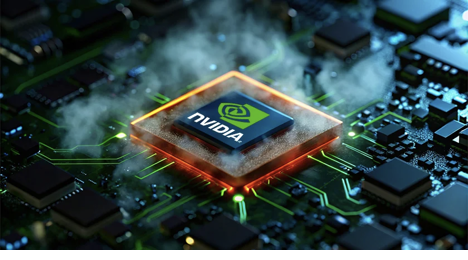
NVIDIA, if you are unfamiliar with the company, designs some of the world’s most advanced computer processors. Most consumers know NVIDIA for its graphics cards, which make video games look better and run more smoothly. Many video-game enthusiasts build their gaming PCs from scratch, and one thing they like to brag about is which graphics card they chose.
However, NVIDIA’s technology now performs tasks far beyond creating the rich digital worlds that gamers obsess over. We are talking about artificial intelligence: the latest technological gold rush.
We use AI to polish emails, find cookie recipes, ask for advice, and generate silly pictures of our friends. And that same technology also supports cybersecurity, surveillance, intelligence analysis, autonomous systems, and other military applications. AI is becoming increasingly important to America’s national defense strategy, and the United States does not want one of its greatest geopolitical rivals reaching freely into the Browned Butter Toffee Chocolate Chip cookie jar.

Instead, China is offered the oatmeal-raisin version. It is still a cookie, and millions of people love oatmeal-raisin cookies, but it is not that sweet toffee cookie everyone really wants.

NVIDIA has always sold chips at different prices and performance levels. Want better graphics or faster AI processing? Pay more and purchase a stronger chip. That is normal product segmentation.
However, the products at the center of these restrictions are not merely expensive gaming cards. NVIDIA’s advanced AI processors cost a ton of money each, and large technology companies may connect thousands of them inside enormous data centers. The price and performance gap between consumer gaming cards and enterprise AI systems is enormous, as shown below.
| Type | Example | Approximate price |
|---|---|---|
| Consumer gaming graphics cards | GeForce RTX 5050 through RTX 5090 | $300–$5,000 |
| Professional workstation card | RTX PRO 6000 Blackwell, 96 GB | $16,000 |
| Data-center AI accelerator | H200 | $30,000–$40,000 |
| Newer data-center AI accelerator | B200 | $30,000–$50,000 |
| Complete eight-GPU AI system | DGX/HGX B200 | $300,000–$500,000 |
China presents NVIDIA with a market-access dilemma: even buyers willing to pay for its strongest technology may not be permitted to buy it. The U.S. Department of Commerce’s Bureau of Industry and Security regulates these exports using technical measurements such as processing performance, memory bandwidth, and chip-to-chip connection speeds. To continue serving China, NVIDIA has developed less-powerful products intended to remain within U.S. performance limits. When a product exceeds those limits, NVIDIA must seek an export license.
This creates a major international marketing problem. China is one of the world’s largest technology markets. When NVIDIA is restricted from selling competitive products there, it loses revenue and gives Chinese competitors an opportunity to capture customers and build their own technology ecosystems. NVIDIA has warned investors that U.S. export restrictions have damaged its ability to compete in China.
To be clear, NVIDIA is a U.S.-based company and must comply with American export law. The government’s stated concern is not that Chinese consumers might enjoy better video games. It is that advanced American computing power could assist China’s military modernization, weapons development, surveillance capabilities, or other activities that threaten U.S. national security.
From that perspective, preventing unrestricted access to NVIDIA’s most advanced technology is understandable. NVIDIA has every right to object when government policy harms its business, but no corporation’s quarterly profits should determine what technology reaches a strategic rival. In an industry with serious consequences for national security, accepting export restrictions is part of the cost of doing business globally.
Of course, some restricted chips will still find their way into China. Chinese companies will obtain limited quantities through third-party sellers or illegal channels, take them apart, test them, and learn from their performance. China has also repeatedly been accused of using cybertheft and forced technology transfers to acquire foreign semiconductor knowledge. Still, possessing an NVIDIA chip is not the same as knowing how to reproduce it. You can examine a Browned Butter Toffee Chocolate Chip cookie all day, but that does not give you the exact recipe, ingredients, equipment, or baking technique needed to recreate it.
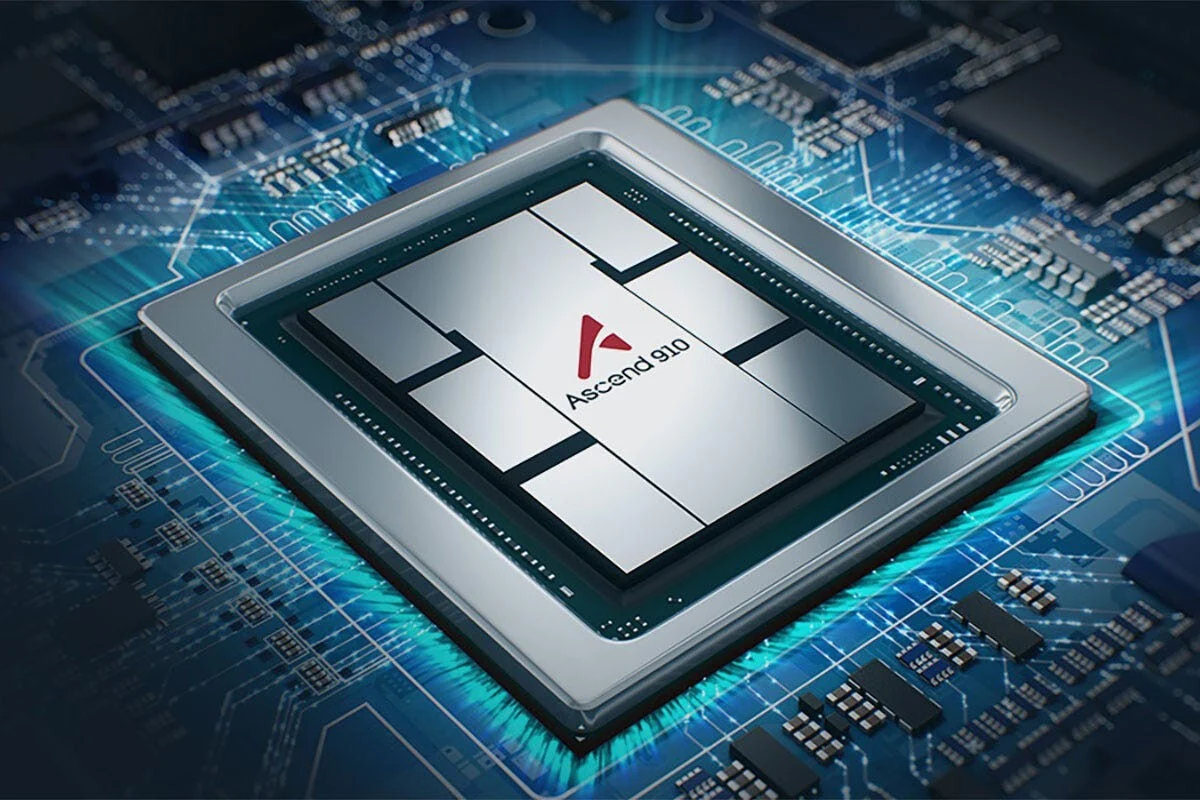
Meanwhile, being denied reliable access to NVIDIA gives Chinese companies an enormous incentive to develop alternatives, including Huawei’s Ascend chips, whether through legitimate innovation, reverse engineering, government investment, stolen intellectual property, or some combination of these methods. The United States may slow China’s progress today while motivating it to become independent of NVIDIA tomorrow.
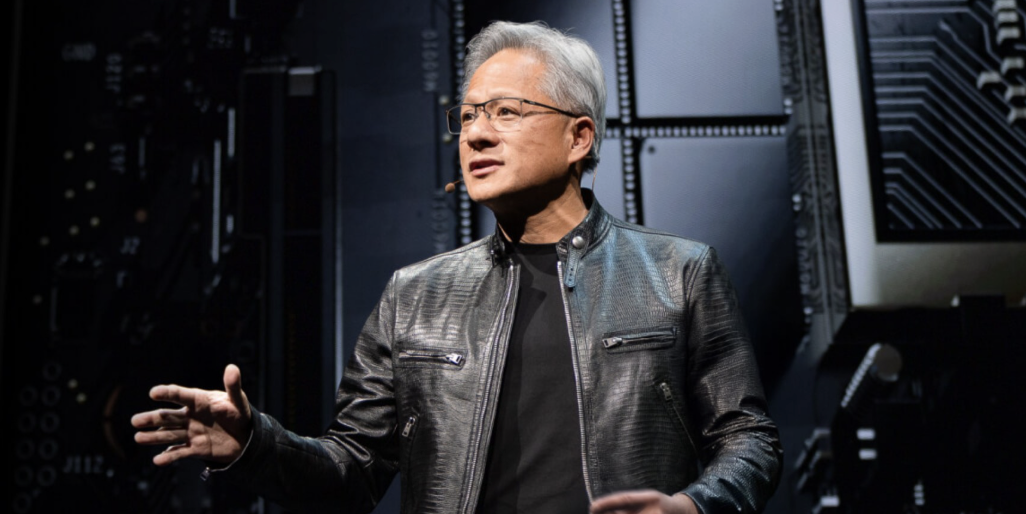
NVIDIA strongly disagrees with the restrictions. CEO Jensen Huang has called the policy a failure, arguing that it costs American companies billions of dollars while encouraging Chinese customers to adopt chips made by Huawei and other domestic competitors. NVIDIA’s position is also understandable: the company wants access to one of the world’s largest technology markets. However, what benefits NVIDIA’s stockholders may not always align with America’s national security interests.
NVIDIA undeniably contributes to the United States. It creates exceptionally well-paid jobs and paid approximately $18.8 billion in federal and state income taxes during its latest fiscal year. Jensen Huang has also earned extraordinary personal wealth, estimated at nearly $188 billion. NVIDIA, its executives, and its shareholders are not struggling to survive in this world. They are arguing over how many additional billions they might earn from China. Paying taxes and creating jobs deserve recognition, but neither purchases the right to override U.S. national-security policy.
There is also something missing from this debate: peace. Huang talks about lost revenue, lost markets, and the possibility that export controls will strengthen Huawei. Those are legitimate business concerns, but selling more chips is not a peace strategy. Export restrictions cannot replace diplomacy either. American and Chinese leaders should cool the AI arms race and establish safeguards before advanced AI fuels a military conflict. Profits matter, but peace is priceless. Perhaps they can settle this over milk and cookies.
AI disclosure: I used ChatGPT to brainstorm the topic, check factual claims, clarify technical concepts, and review the organization and grammar of my draft. I independently wrote and revised the post and reviewed the cited sources. (Powered by NVIDIA 🙂